What it does
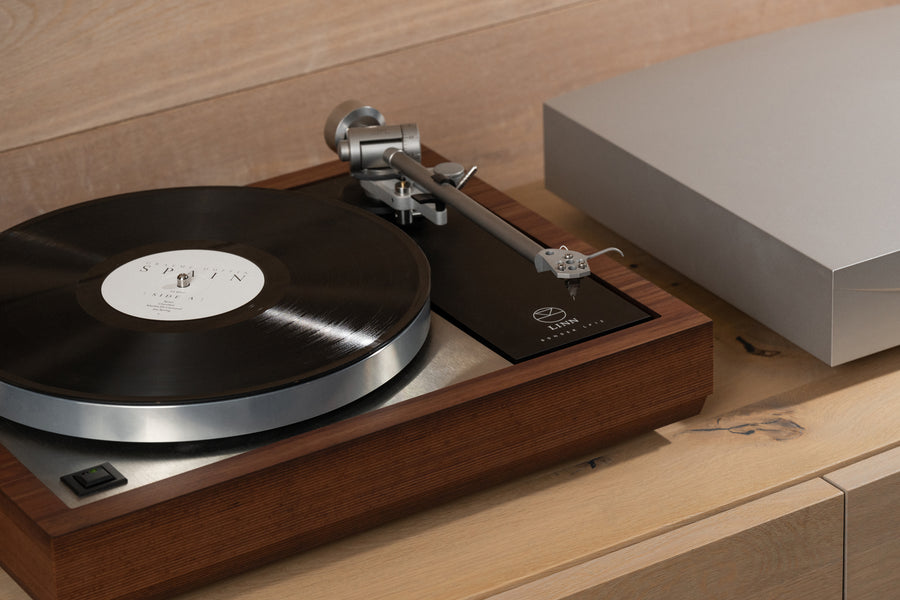
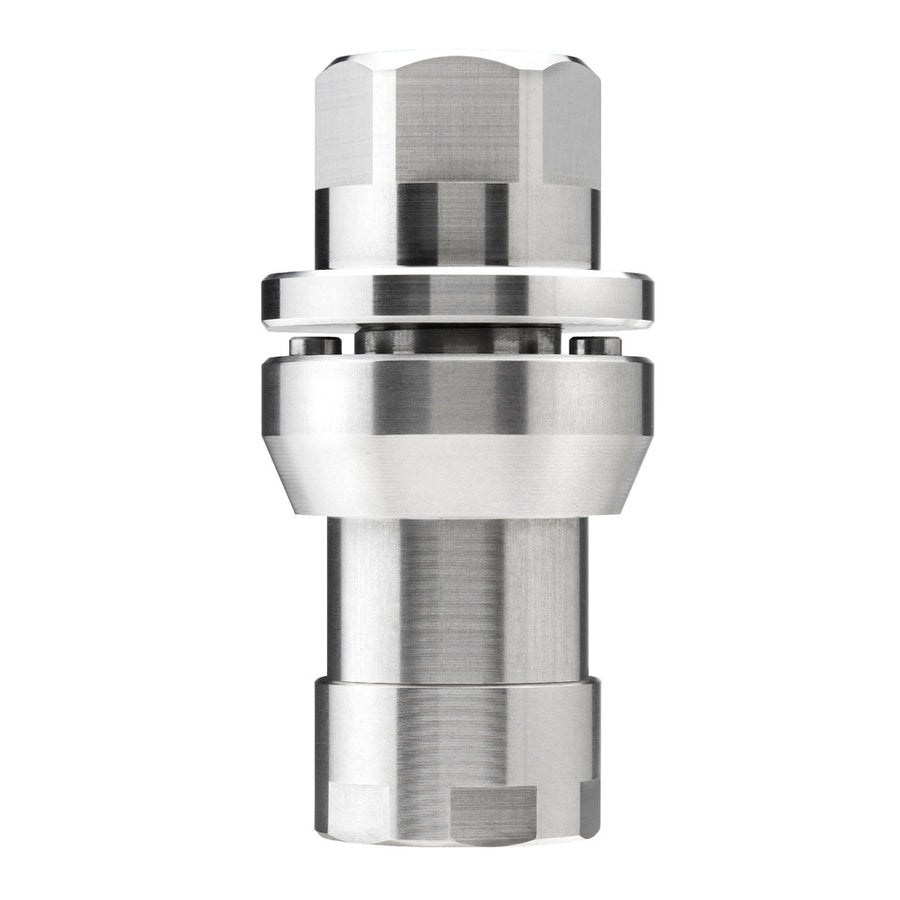
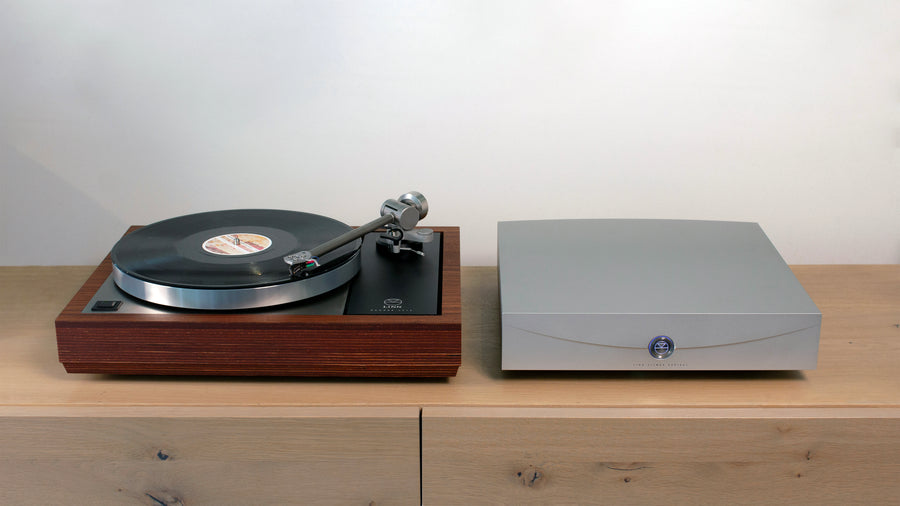
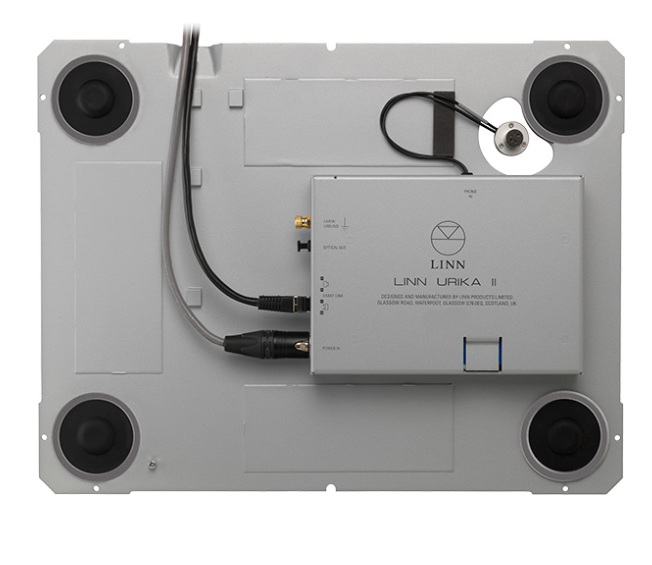
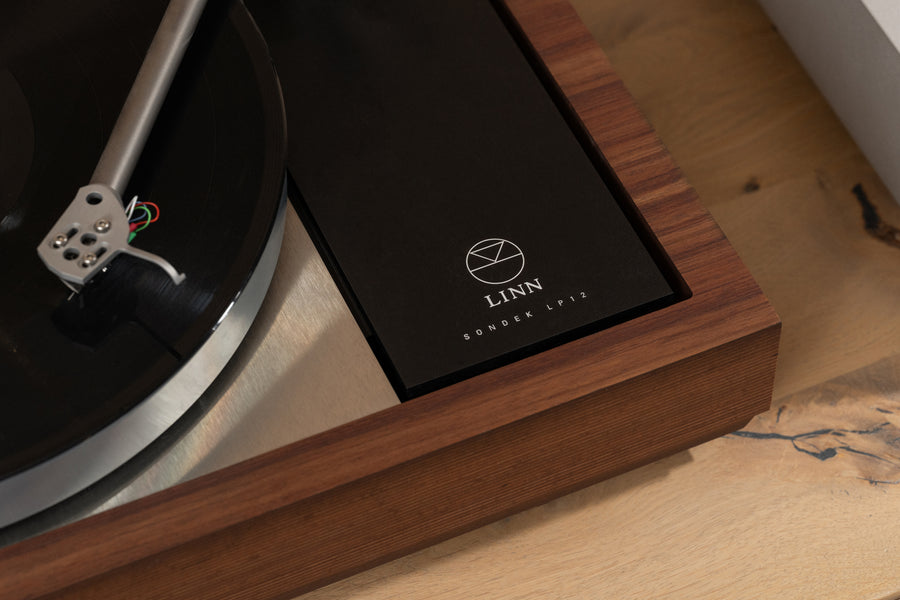
An AC synchronous motor, or a DC motor on Radikal decks, drives the inner platter through a flat belt. The platter, its bearing and the tonearm ride on a sub-chassis hung from three springs, isolated from the plinth and the motor, so vibration from the loudspeakers and the room has no easy path to the stylus. The bearing is a hardened point running on a thrust pad inside a precision bush, machined at the Tiefenbrun family's Castle Precision Engineering and patented in 1975. Every LP12 since 1973 shares that geometry, and every part around it has been redesigned at least once: the bearing twice, the sub-chassis four times, the power supply, the motor, the tonearms and the plinth. Linn's commitment is that any LP12 ever made can be brought to the current specification.
Why it matters in a system
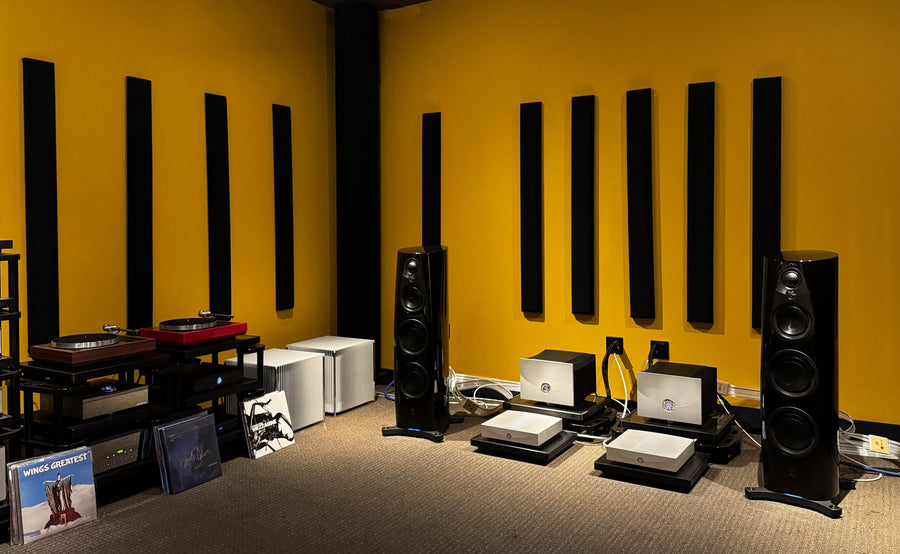
Ivor Tiefenbrun's argument, made by taking the deck into shops and letting people listen, was that the source and not the loudspeaker decides what a system can do, because nothing downstream can recover what the stylus failed to read. It reordered how the industry spent its money, and it is why Pearl sets up the turntable first and builds the system around it. Our own page on the deck,
The Linn Sondek LP12, tells the story part by part.
What you may hear
Pitch, timing and a lack of feedback that let a record sound like the musicians rather than the machine. David Price in StereoNET: the LP12's special sauce was its patented single-point bearing, and over fifty years the only way it could go was toward neutrality, and so it has. Herb Reichert in Stereophile found the current Klimax LP12 plowed through opera, Mahler and Brit-pop with unrivaled ease.