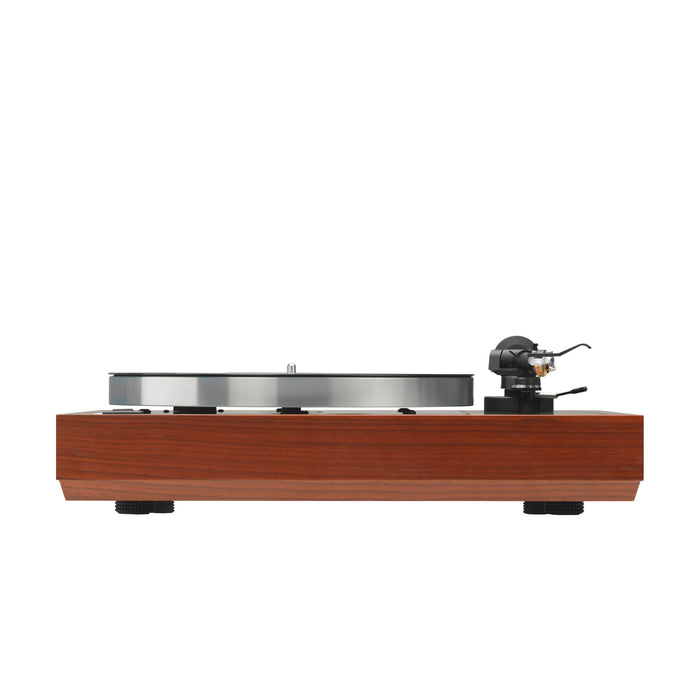
In 1973 a young Glasgow engineer named Ivor Tiefenbrun bought an expensive hi-fi system and found it sounded worse than his parents'. Tracing the problem, he discovered that the loudspeakers' output was feeding back through the turntable and corrupting the signal before it ever reached the amplifier. The received wisdom said the turntable merely went round and the speakers were what mattered; Tiefenbrun concluded the opposite. Working at his father Jack's firm, Castle Precision Engineering, with help from its machinists, he built a belt-driven deck with a sprung sub-chassis and a patented single-point bearing, designed to resist feedback and to extract everything cut into the groove, and founded Linn Products in Castlemilk to make it. The Sondek LP12 was the company's first product. More than fifty years later it is still in production and still upgradeable to the current specification, the oldest hi-fi component still being made, and Linn's founding principle has never changed: information lost at the source is lost forever.
Tiefenbrun's method of persuasion was to take the deck into shops and let people hear for themselves, and the demonstration turned the industry's priorities upside down. Over the next fifteen years Linn extended source-first thinking to every link in the chain: the Isobarik loudspeaker and the first Aktiv active-crossover system in 1974, the Ittok tonearm and the Kan in 1979, the Valhalla supply in 1982, Linn's first electronics, the LK1 and LK2 amplifiers in 1985, and the Ekos, the first tonearm designed and built entirely in-house, in 1988. A cutting lathe bought to make better test records became Linn Records in 1982, whose first releases included The Blue Nile's A Walk Across the Rooftops and which Gramophone named Label of the Year in 2010. In 1987 Linn moved into a purpose-built factory at Waterfoot, Eaglesham, designed by Richard Rogers around Single Stage Build, in which one skilled person builds each product from start to finish and signs it. Ivor Tiefenbrun was appointed MBE in 1992.
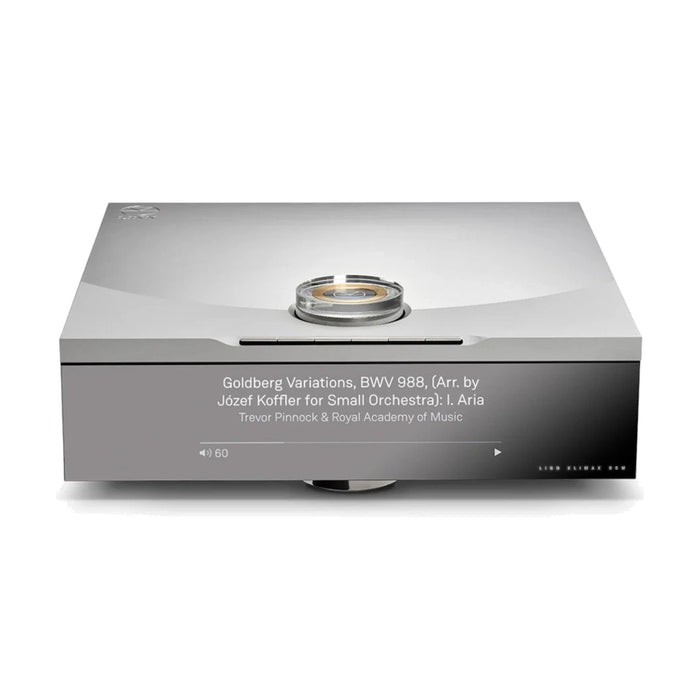
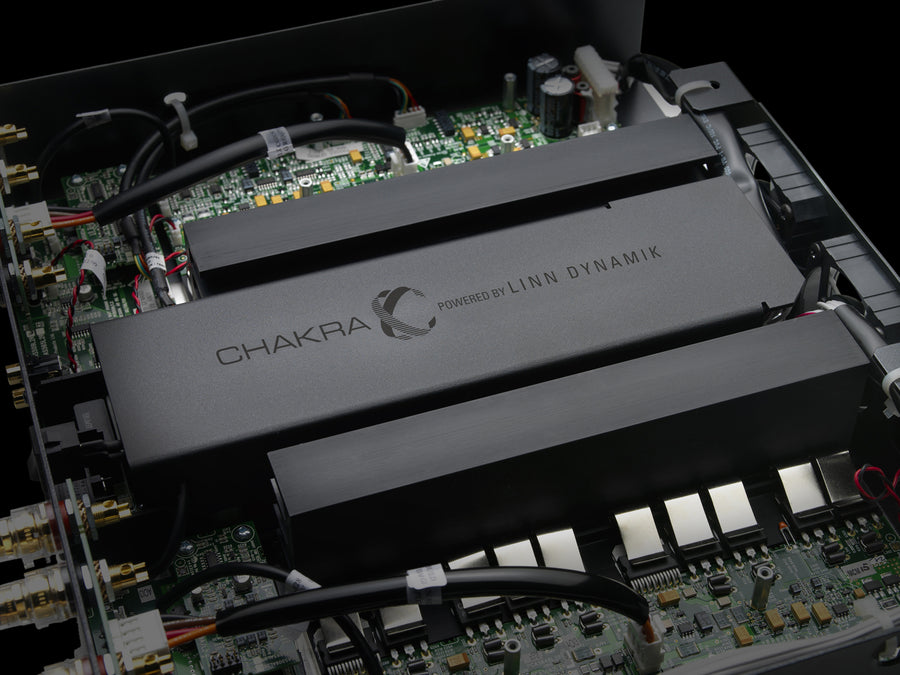
Linn built its first CD player, the Karik, in 1992, and in 1998 the Sondek CD12, machined from a solid aluminum billet, founded the Klimax range; the Klimax Solo of 1999 was the first product to carry the name. The 2000s brought the Royal Warrant and in-car audio for Aston Martin, a factory expansion that nearly doubled the plant, Chakra amplification and the first fully integrated Aktiv loudspeaker, and the Ekos SE and machined Keel sub-chassis for the LP12 in 2006. Then Linn did something no high-end company had done. In 2007 the Klimax DS, developed under Ivor's son Gilad Tiefenbrun, played studio-master files at 24 bits and 192 kHz straight from a network, with no disc, no drive and no moving parts; Stereophile found it better than any CD player its reviewer had heard. In November 2009 Linn announced it would stop making CD players altogether, Gilad became Managing Director and Ivor Executive Chairman, and the decision, taken as the financial crisis squeezed the high end, was vindicated by the Queen's Award for Enterprise in Innovation in 2012 and by profit every year since.
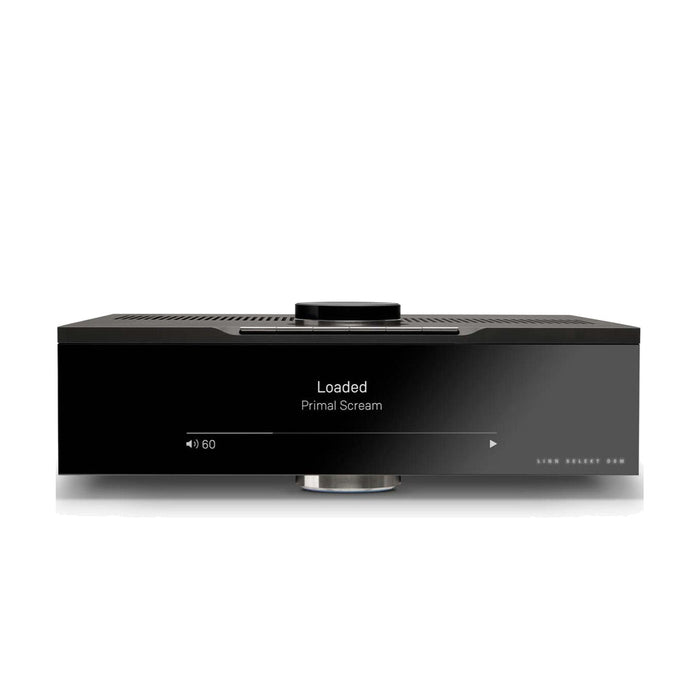
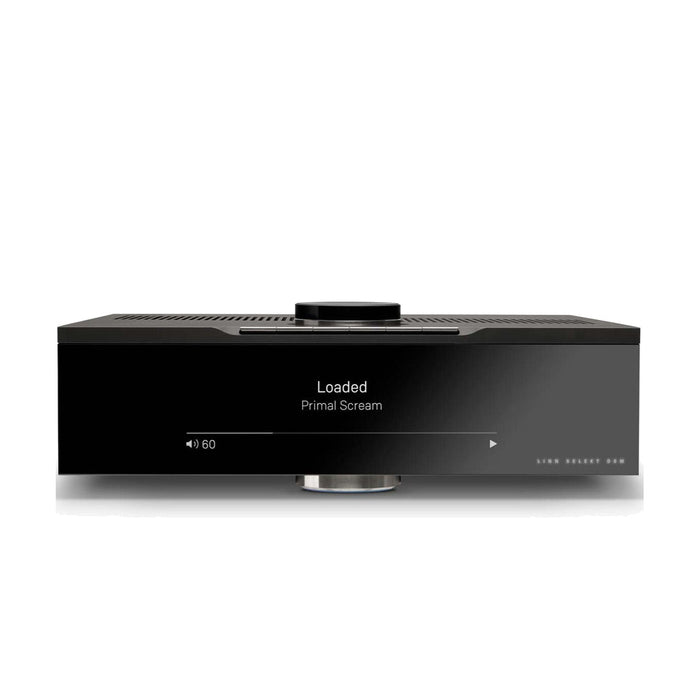
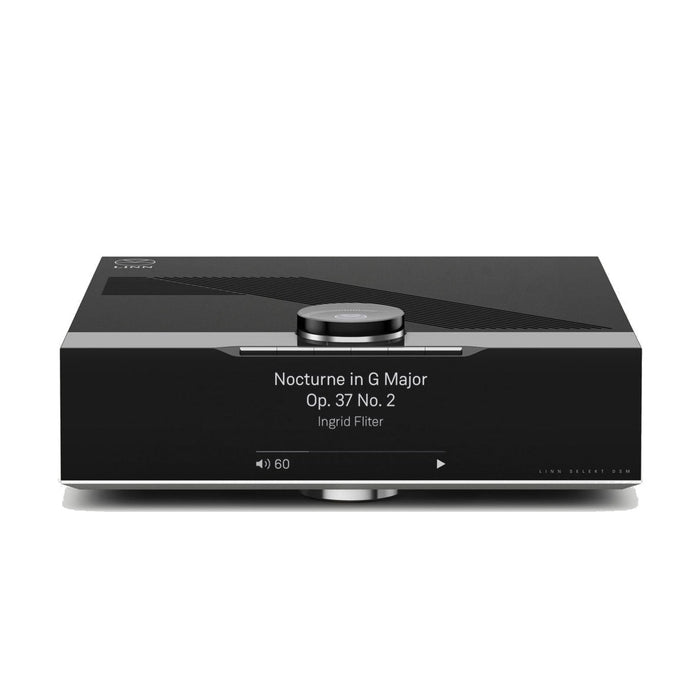
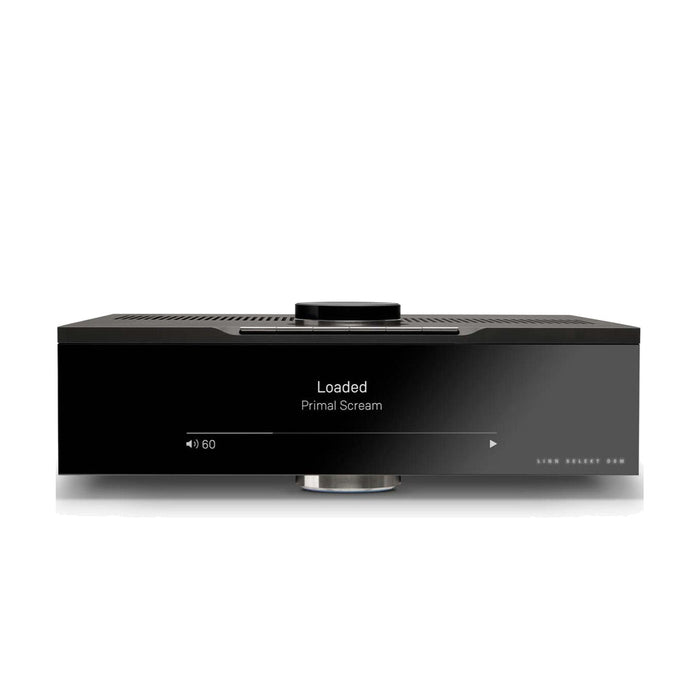
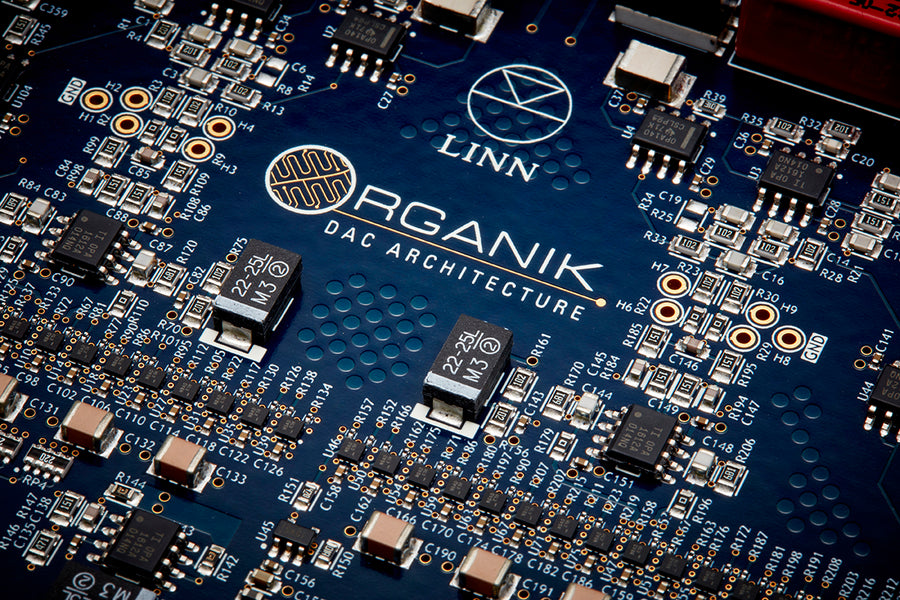
Owning the digital path let Linn attack problems no analog component could reach. Exakt, in 2013, keeps the signal digital all the way into the loudspeaker, where a phase-linear crossover corrects each measured drive unit and aligns every part of every note in time. Space Optimisation, in 2015, a free update to every Linn player, builds an acoustic model of the listener's own speakers, their position and the room and removes the energy the room adds. Katalyst in 2016 put Linn in control of every input to the converter chip, and Organik in 2021, Linn's first wholly in-house converter, replaced the chip with an FPGA and a discrete conversion stage that The Absolute Sound placed among the best DACs at any price. Linn has made its own switch-mode power supplies since 1993, and the Utopik generation now sits under the Klimax DSM, the Selekt DSM, the Klimax Solo amplifiers and the LP12's Klimax Radikal. Every one of these is a retrofit; a 2007 Klimax DS takes an Organik board in twenty minutes. The LP12 kept pace: Radikal and Urika in 2009, Urika II in 2018, Karousel in 2020, Ekstatik in 2021, Arko and Kendo in 2022, Bedrok, Klimax Radikal and Keel SE in 2025.
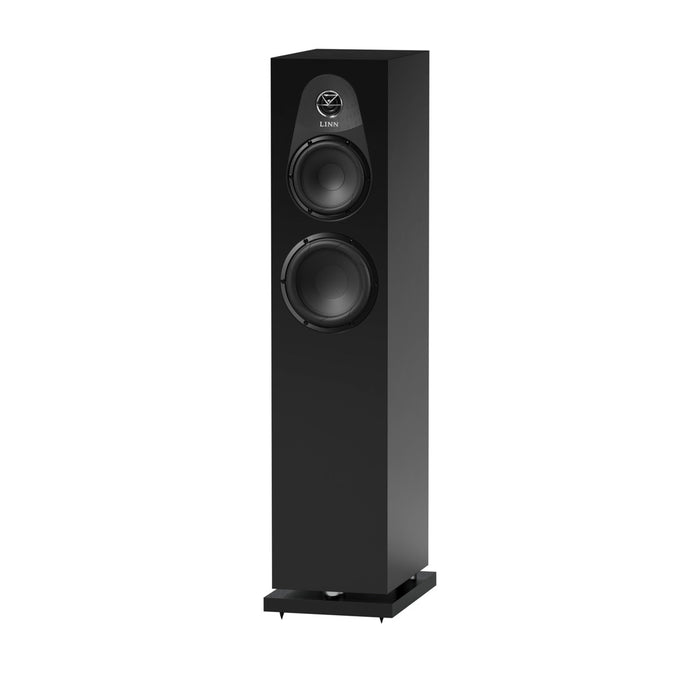
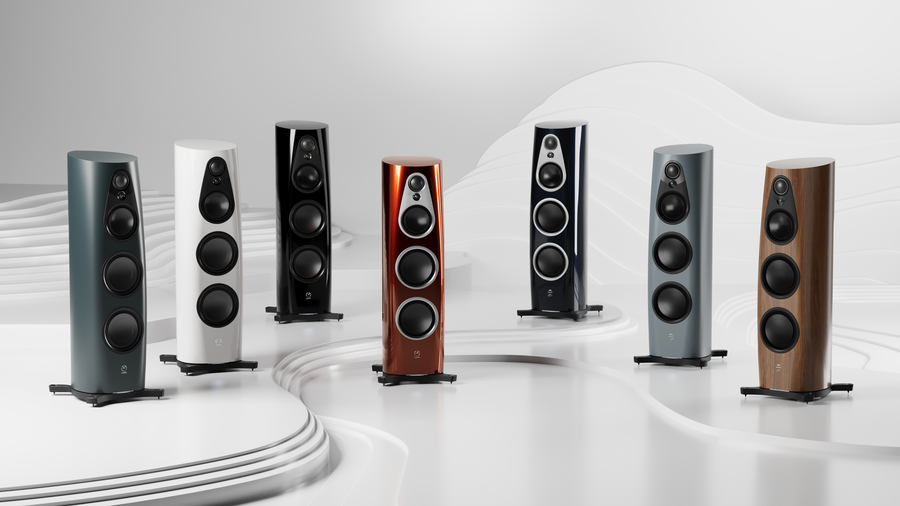
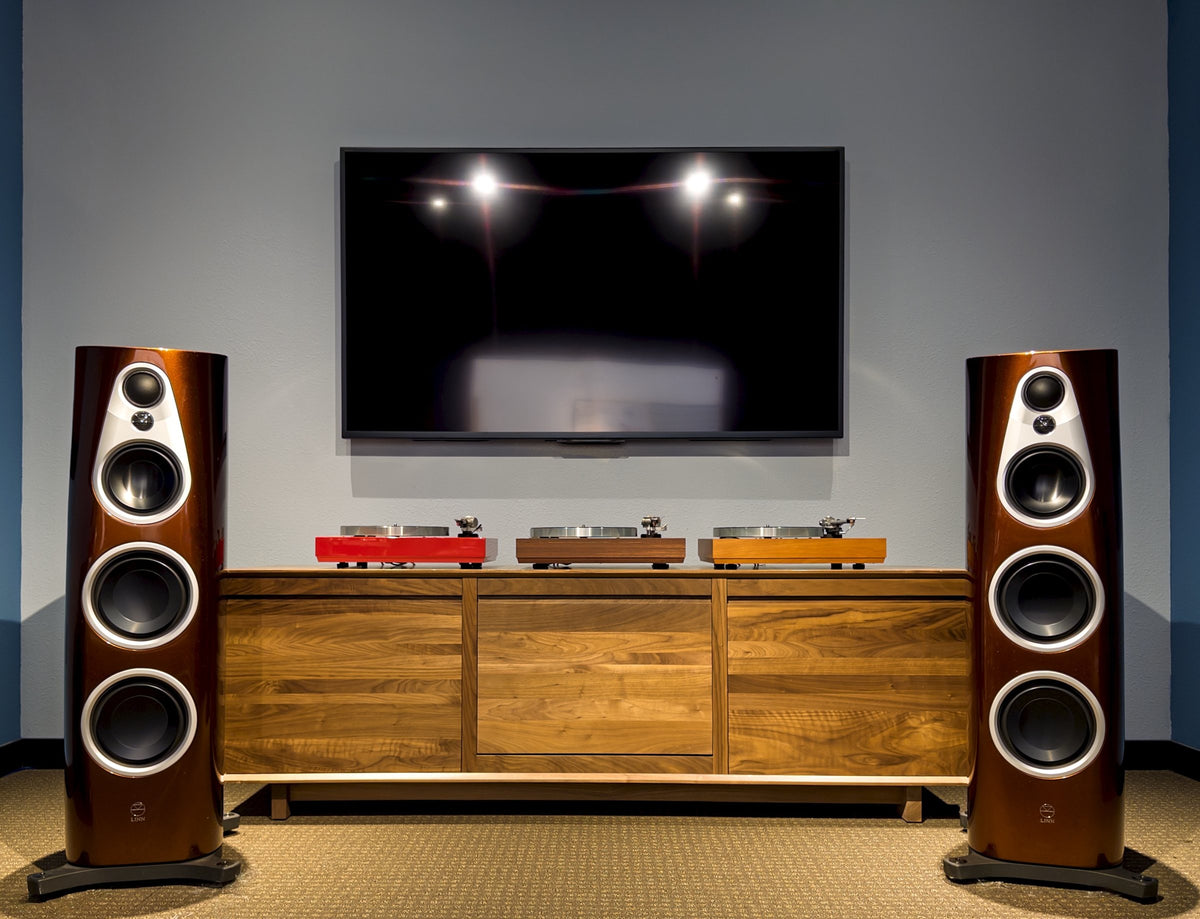
Linn marked its fiftieth year in 2023 with the Sondek LP12-50, a 250-unit edition refined with Jony Ive's LoveFrom and the first appearance of the Bedrok plinth, and with the 360, a four-way Exakt loudspeaker that Gilad Tiefenbrun called the finest Linn had ever made and the debut of Adaptive Bias Control, which corrects the bias of every output transistor in real time for the life of the amplifier. That technology went into the Klimax Solo 800 of 2024 and Solo 500 of 2025; in 2026 the 360 received Linn's first drive units designed entirely in-house, with the Pistonik motor, and the 343 followed. Linn remains an independent family business with no outside shareholders, Ivor Tiefenbrun as Chairman and Gilad Tiefenbrun as Chief Executive, and every product is still built by one person in the Eaglesham factory who signs it. Quality and longevity, not planned obsolescence, is how Linn puts it, which is why an LP12 bought in 1973, or a Klimax DS bought in 2007, is brought up to date rather than replaced.