Every dCS is built around the same converter, the Ring DAC, and every one of them streams, so the choice is less about features than about how far you want to take the idea. There are five levels. Each is a complete digital source on its own, and each grows by adding a box, not by replacing one. This page sets out what changes at each step and the questions we are asked most often.
The five levels
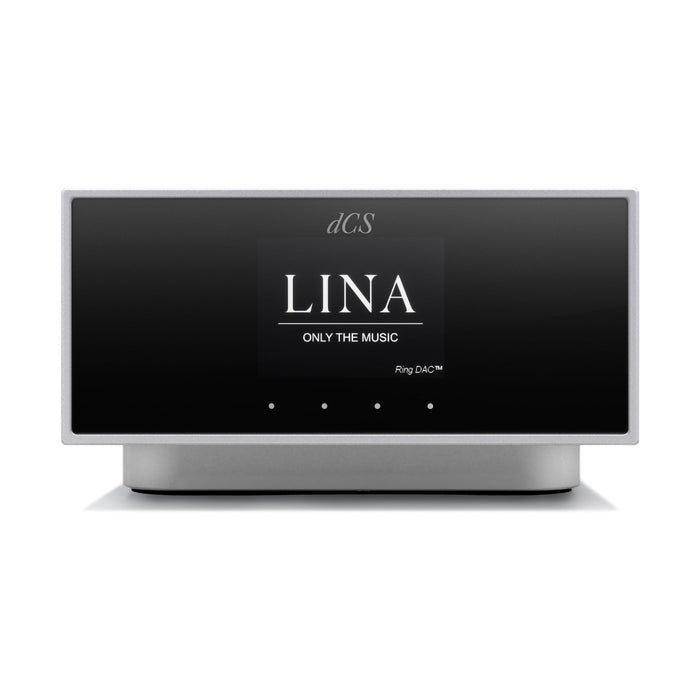
Lina. The compact dCS. The Lina DAC X is a network player, DAC and volume control in one half-width chassis, and the Lina Master Clock and Lina Headphone Amplifier stack beside it. It suits a first dCS system, a desk or headphone system, or a main system where space matters.
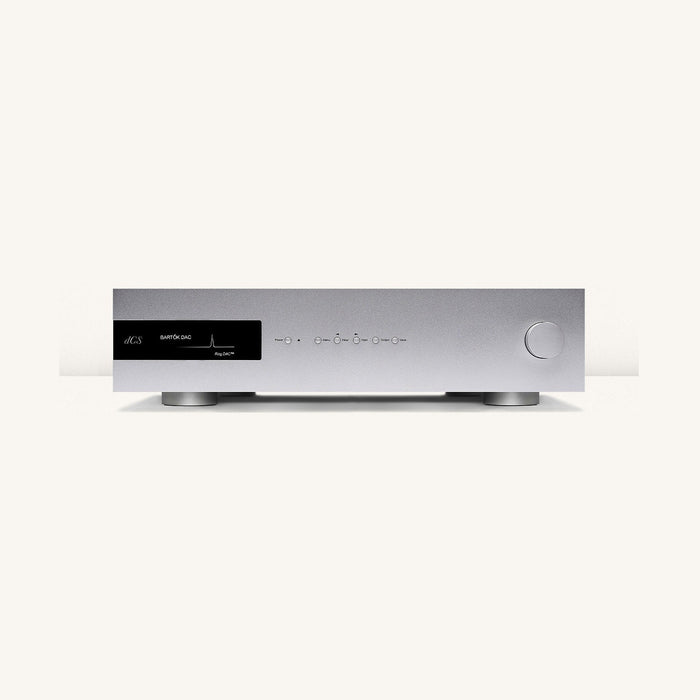
Bartók APEX. The first full-width dCS and the first with the Ring DAC APEX board. The Bartók APEX DAC is a streamer, DAC and preamplifier in one box; the Headphone DAC adds a headphone amplifier with its own transformer.
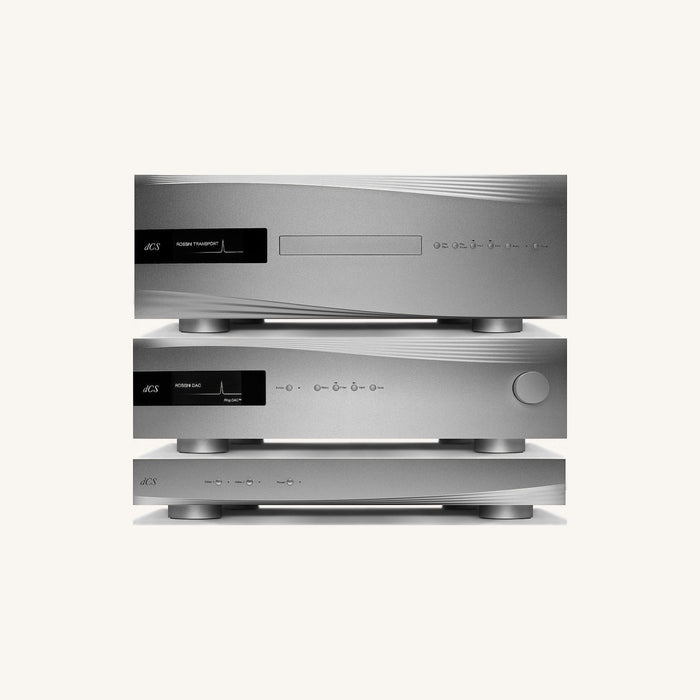
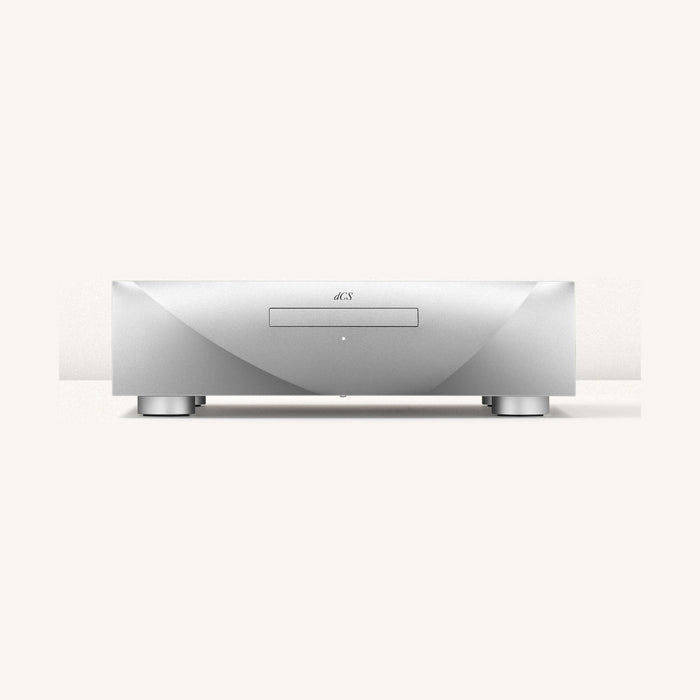
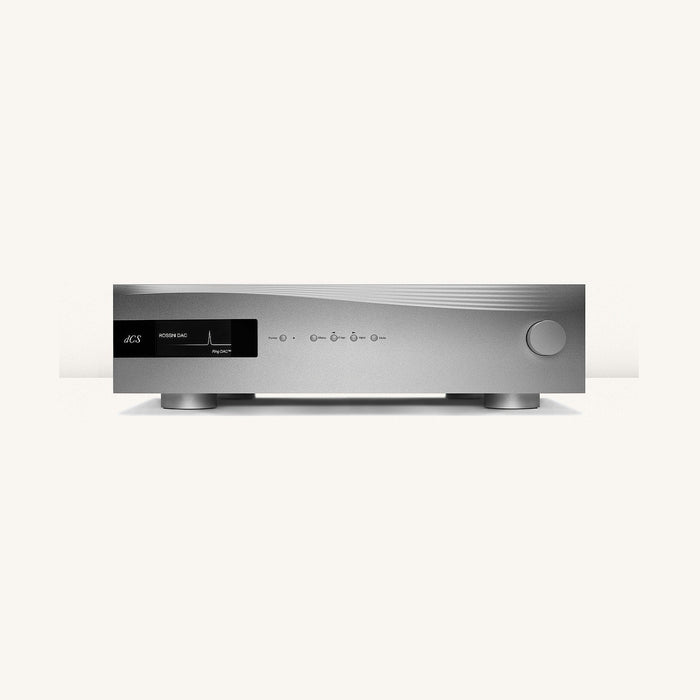
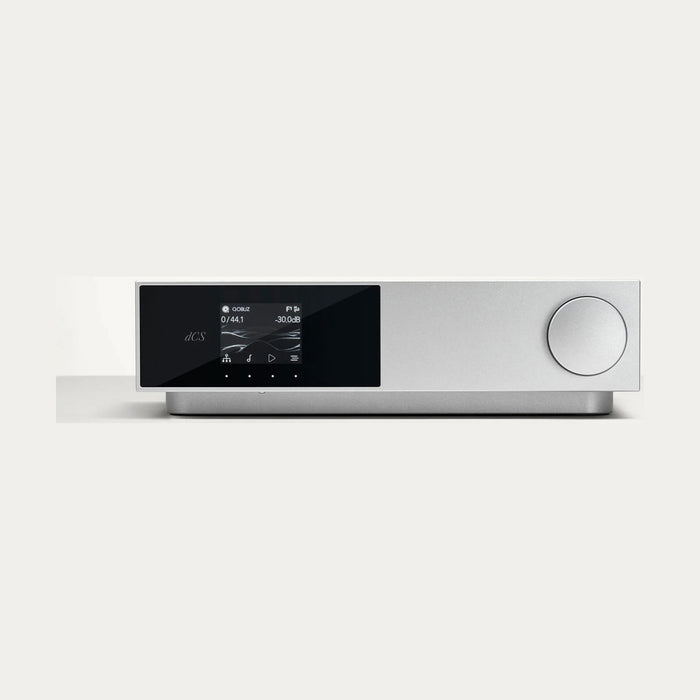
Rossini APEX. Still one box, with more behind it: two transformers so the analog and digital sections each have their own supply, a damped aluminum chassis, and separate circuit boards for each job. It comes as the Rossini APEX DAC or as the Rossini APEX Player with a CD mechanism, and it is the level where a dedicated Master Clock and Transport were designed alongside the DAC.
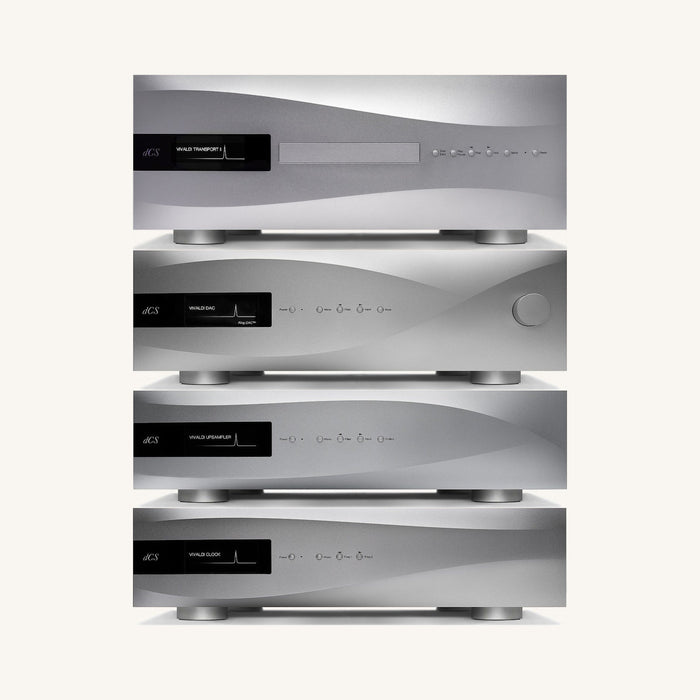
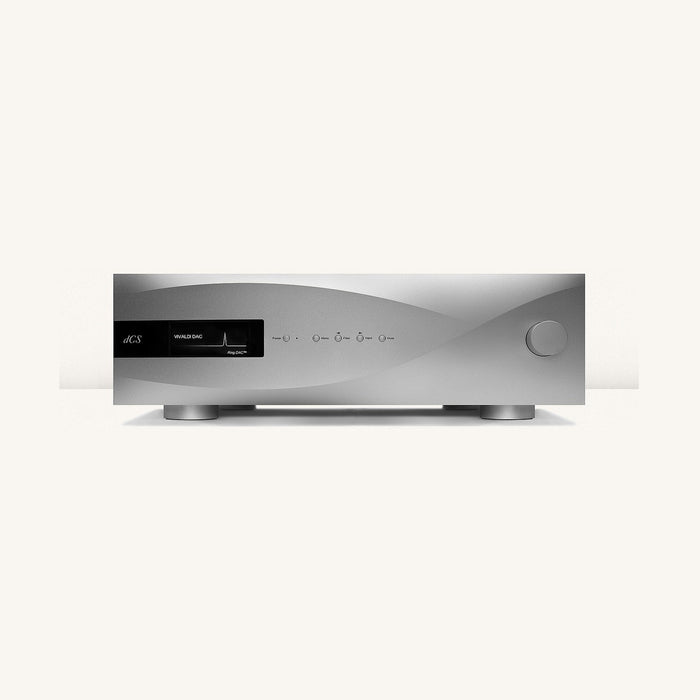
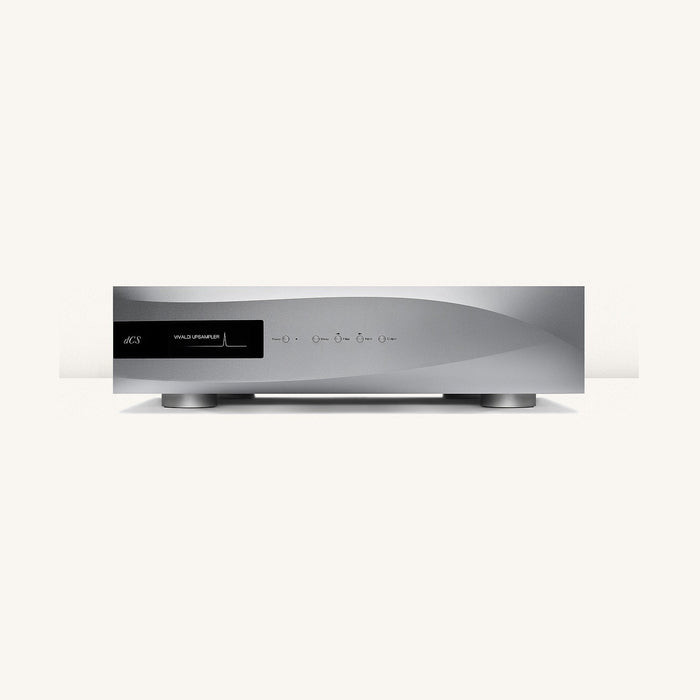
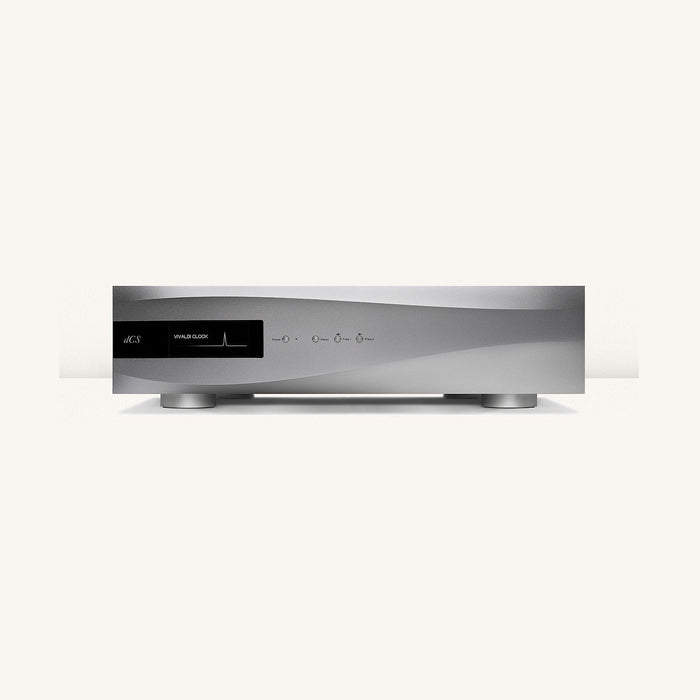
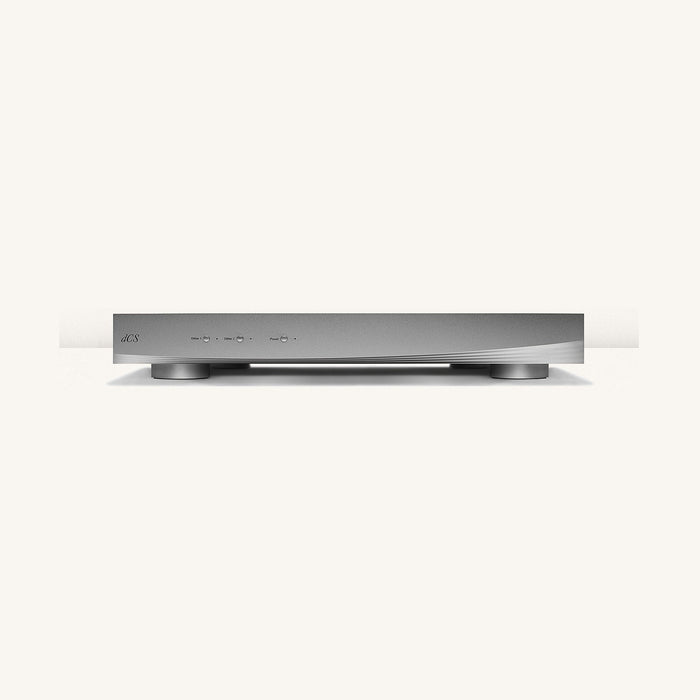
Vivaldi APEX. Separates. The Vivaldi APEX DAC does nothing but convert; streaming and upsampling move into the Vivaldi Upsampler, timing into the Vivaldi Master Clock, and disc playback into the Vivaldi Transport II. Giving each job its own chassis and power supply is the whole point of the design.
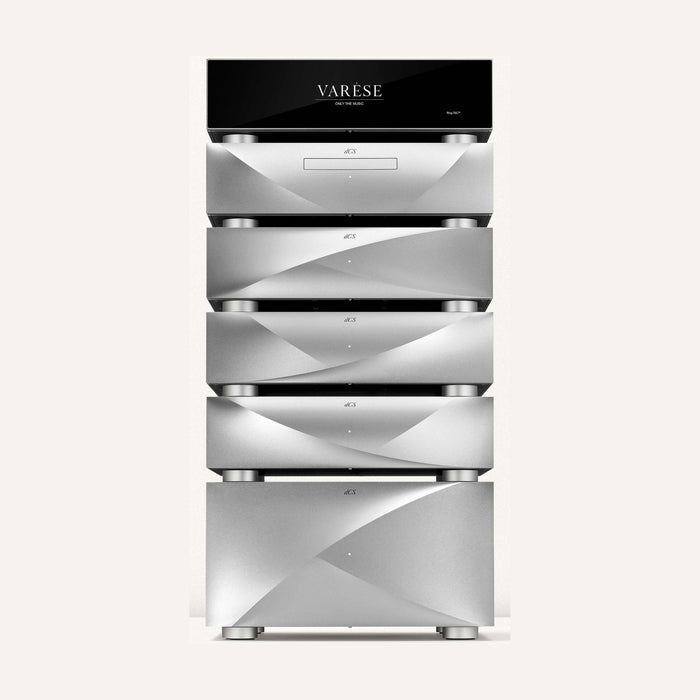
Varèse. A different kind of machine. The Varèse Music System splits the converter into a pair of Mono DACs fed by a Core, with a User Interface, an optional Master Clock and a Transport, all joined by a single ACTUS cable to each box.
Two pages compare these box by box: Lina, Bartók or Rossini for a first system, and Rossini, Vivaldi and Varèse for the upper three.
The questions we are asked most
One box or several?
One box is simpler, takes one shelf and one power cord, and at every level through Rossini it is a complete source. Separates keep the things that disturb a converter, power supplies, processors and disc mechanisms, away from it. If you think you will want separates eventually, it helps to say so at the start, because a Bartók or Rossini can take a clock and a transport later without anything being replaced.
Do I need a master clock?
No dCS needs one to play. A clock is the first addition most owners make, and dCS describes the gain at each step up the clock range as a wider and deeper soundstage with more clarity. Any dCS master clock will work with any dCS DAC. The Lina clock is the natural partner for a Lina or a Bartók, the Rossini clock for a Bartók or a Rossini, and the Vivaldi clock for a Vivaldi system. The best way to decide is to hear a DAC with and without one, and we can arrange that in a listening room.
Do I still want to play discs?
If you have a CD collection, the Rossini APEX Player keeps it in one box. For CD and SACD through a separate transport, the Rossini Transport, the Vivaldi Transport II and the Varèse Transport each feed their own DAC over a dCS encrypted link.
Is this for headphones, loudspeakers or both?
For headphones first, look at the Lina DAC with the Lina Headphone Amplifier or the Bartók APEX Headphone DAC; both carry dCS Expanse, the company's processing for headphone listening. Either also serves a loudspeaker system from the same box.
Do I need a preamplifier?
Not necessarily. The DACs have their own volume control and can drive a power amplifier directly, which suits a system with only digital sources. If you also play records, or simply prefer the sound of your preamplifier, the dCS runs at a fixed output into it. We can set up either arrangement for you to compare.
What about multichannel?
dCS has announced its first multichannel converter, the MCD 16, for immersive and home theater systems. It is on our dCS home theater page.
How we help you choose. Tell us what you own, how you listen and where you would like to end up. We will bring the dCS pieces that fit into a listening room with amplification and loudspeakers close to yours, and you can hear the steps for yourself. Call (503) 222-2599 or arrange an audition.