Data Conversion Systems was incorporated in Cambridge in November 1986 and counts 1987 as its first year. Its founder, Mike Story, an Oxford physicist with a doctorate from Imperial College, gathered a team of electronics engineers with venture backing and set up at Castle Park as a consultancy for Ferranti, Marconi Avionics and British Aerospace, specializing in the analog-to-digital conversion behind radar; work that later flew in the RAF's Harrier and Typhoon. The habit of measuring everything, and of writing the signal processing themselves rather than buying it, came from that beginning.
Audio followed. The dCS 900, begun in 1988 and released in 1989, was a 24-bit studio analog-to-digital converter and the first product to carry the company's Ring conversion idea; Bob Ludwig of Gateway Mastering was, in his words, a very good customer. In the early 1990s dCS built more than 120 bespoke converters and a custom clocking system for the BBC's London radio center, and in 1993 the dCS 950 became the company's first digital-to-analog converter, built on the Ring DAC. Andy McHarg joined that November and wrote code for it; he is Technical Director today. The Elgar of 1996, styled by Allen Boothroyd, brought the Ring DAC into the home; the consultancy work ended and the company moved to Great Chesterford, south of Cambridge. The 972 digital-to-digital converter of 1997 was where dCS discovered upsampling, and the Purcell of 1999 was the first consumer upsampler, followed by the Delius DAC, the Verdi SACD transport of 2001 and the Verona master clock: the four-box dCS system, in its first form.
Ownership changed in the mid-2000s. Mike Story stepped back from day-to-day leadership, David Marshall Steven took the majority of the company, and dCS left professional audio to concentrate on the home; the Scarlatti of 2007 was the first flagship of that era, and the Paganini range and the one-box Puccini of 2008, the latter Stereophile's 2010 Digital Component of the Year, made the company's name with a wider audience. When David Marshall Steven died in 2009, his son David J. Steven became Managing Director, a post he still holds, and the company moved into its purpose-designed building at Swavesey, where every unit is still hand-assembled. The Debussy of 2010 was dCS's first computer-audio DAC and Stereophile's 2011 Digital Component of the Year.
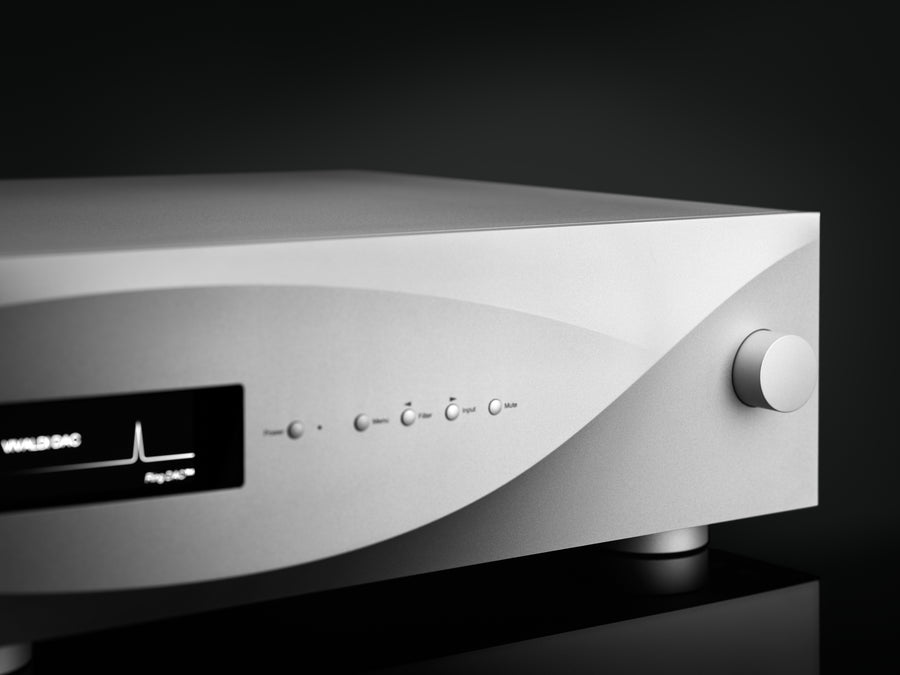
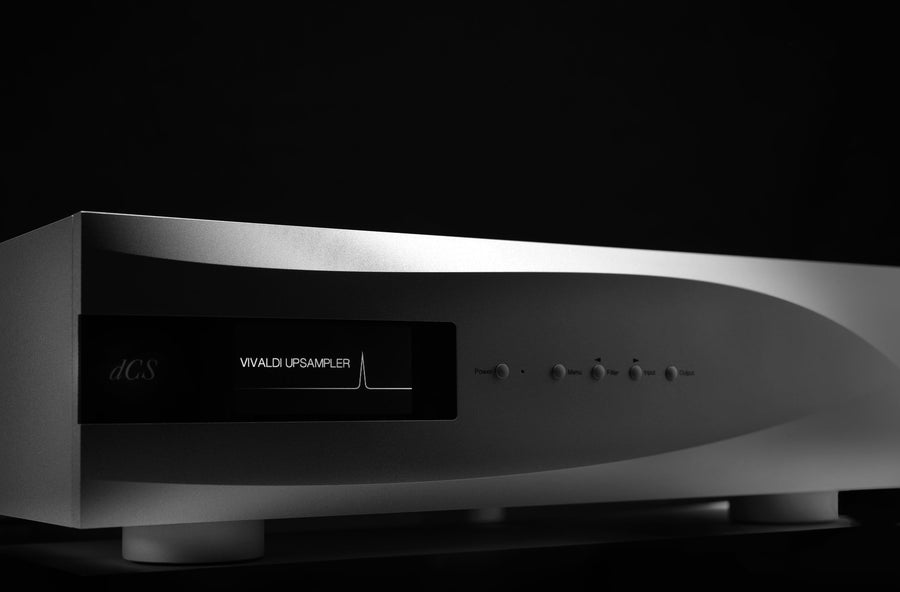
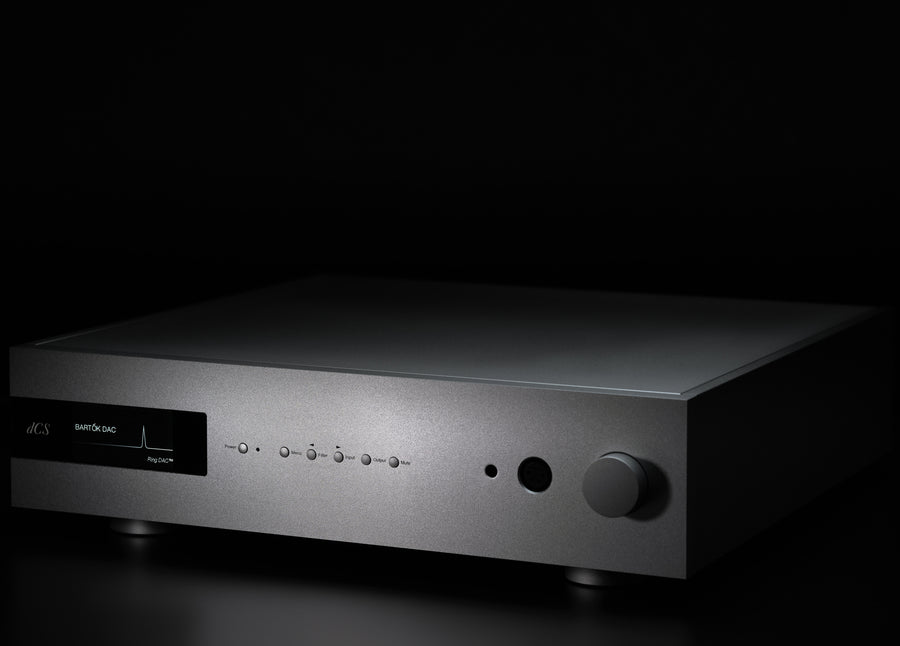
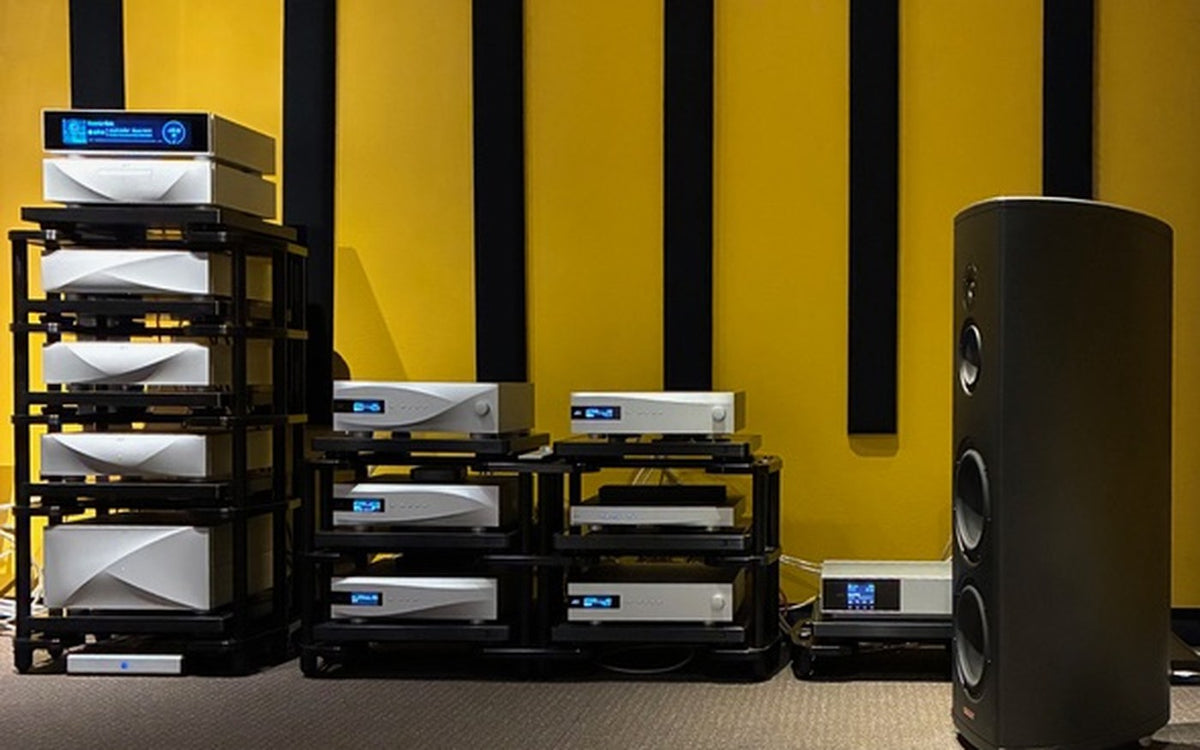
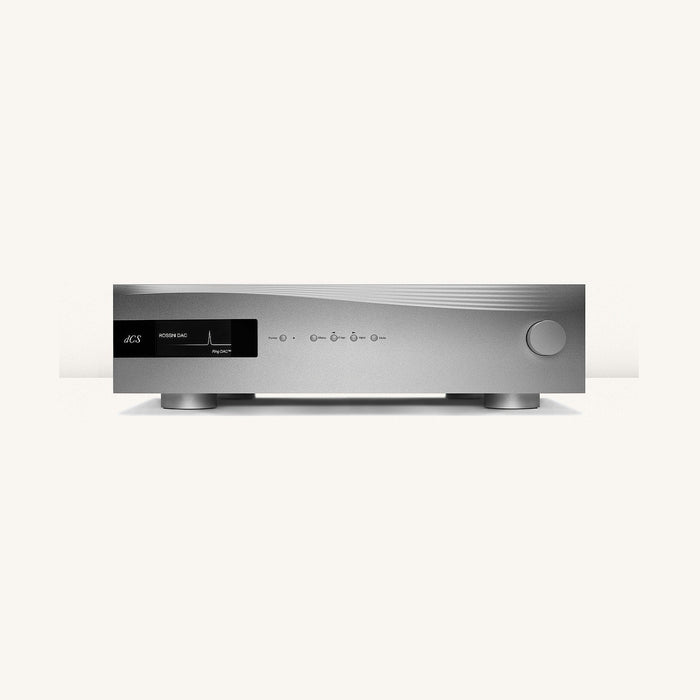
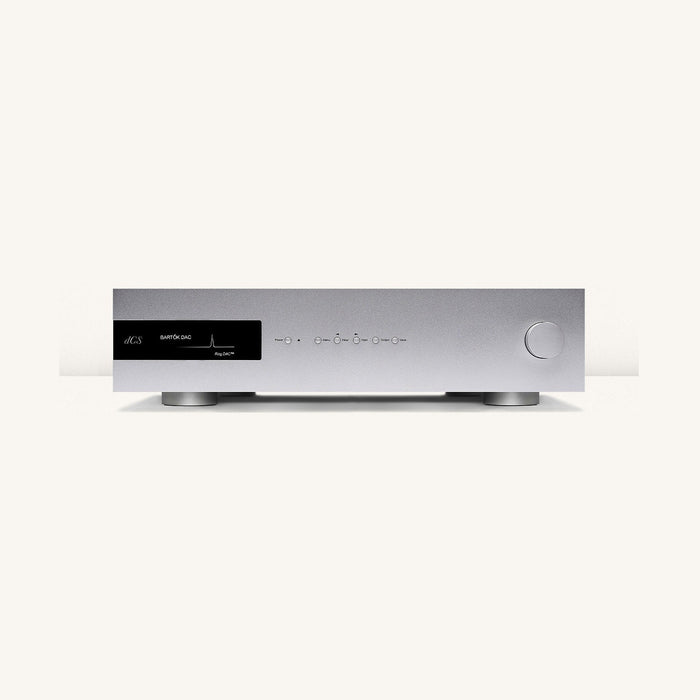
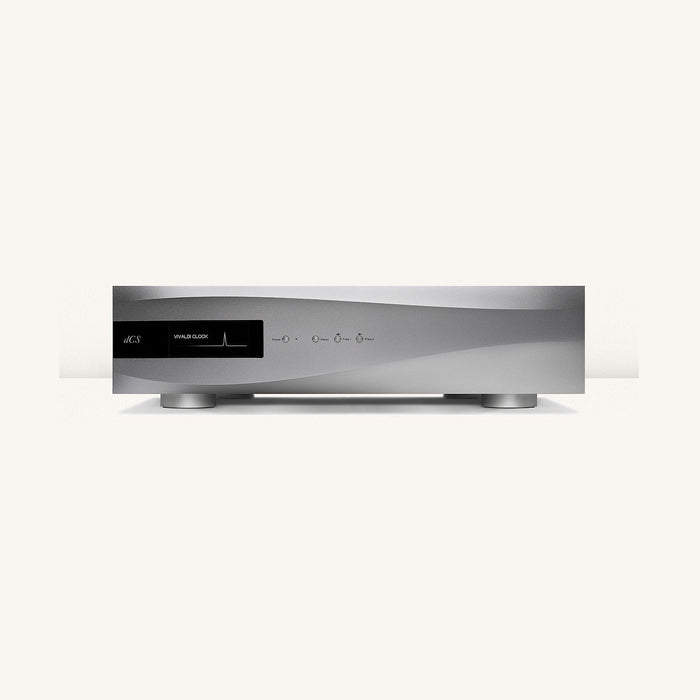
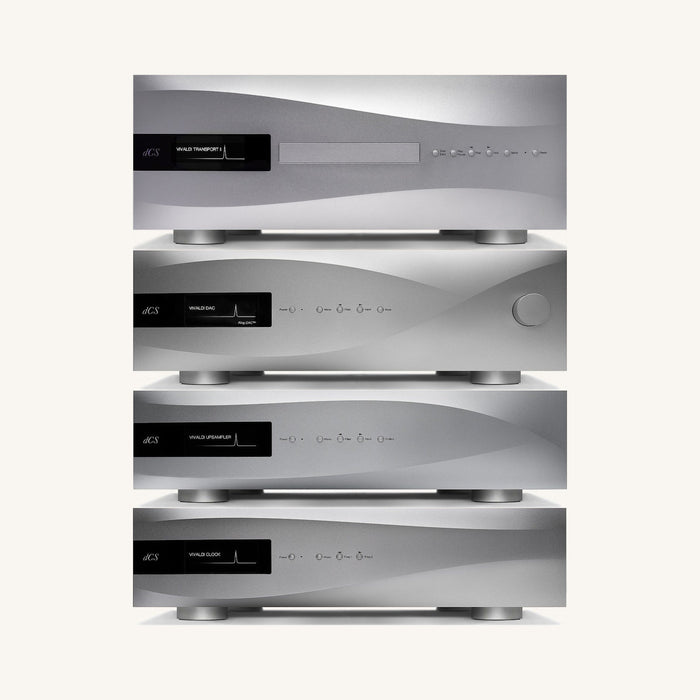
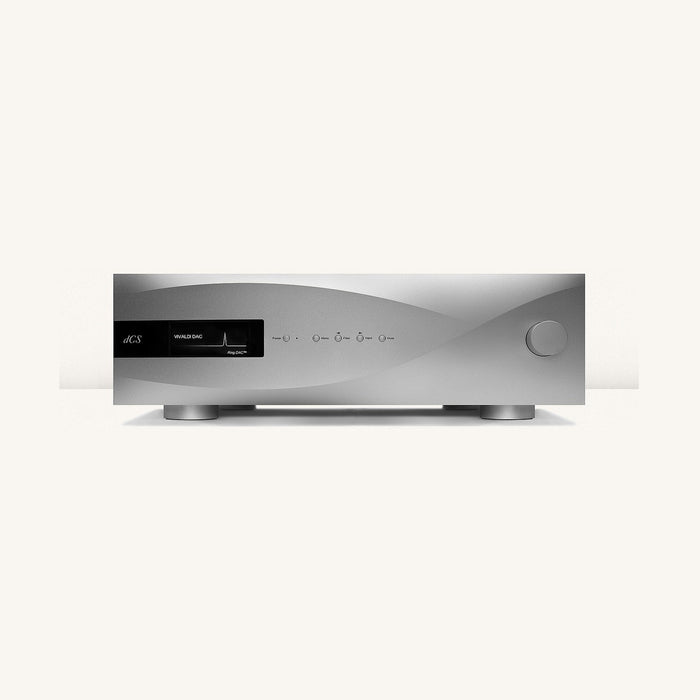
Vivaldi, unveiled at the Hong Kong AV Show in August 2012, defined the modern dCS: a transport, a DAC, an upsampler and a master clock, each in its own chassis, with Dual AES in place of FireWire, a dual-mono Ring DAC, a new FPGA processing platform and the company's first network interface. Rossini of 2015 put the same Ring DAC into a one-box player and DAC with a matching clock; Vivaldi 2.0 the same year showed that a dCS could be remade in software, with new Mappers and DSDx2 arriving as a free update. The thirtieth anniversary brought the Vivaldi One in 2017; Bartók followed in 2018, Mosaic, the company's streaming and control platform, in 2019 with a Queen's Award for Enterprise in Innovation the same year, and Expanse headphone processing in 2020.
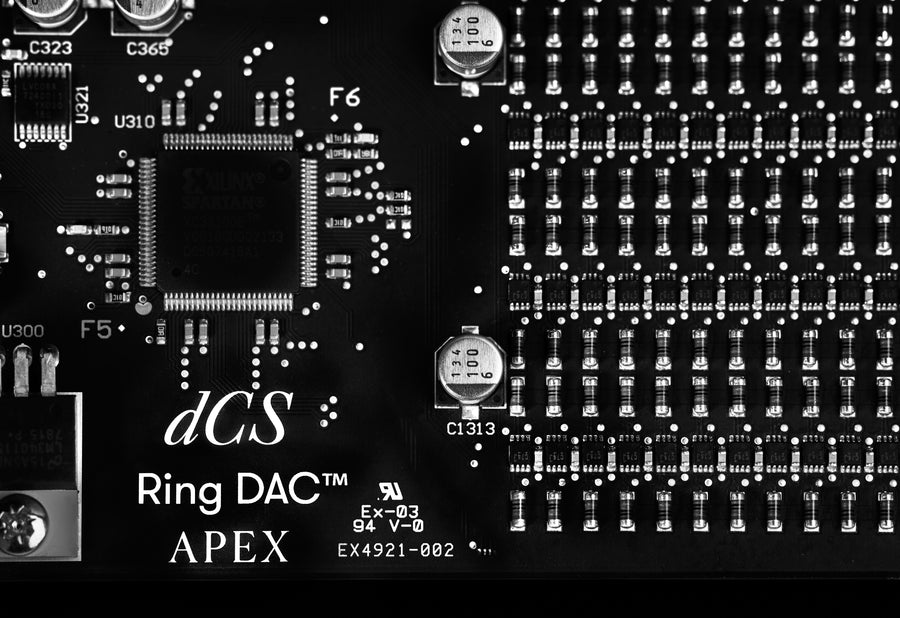
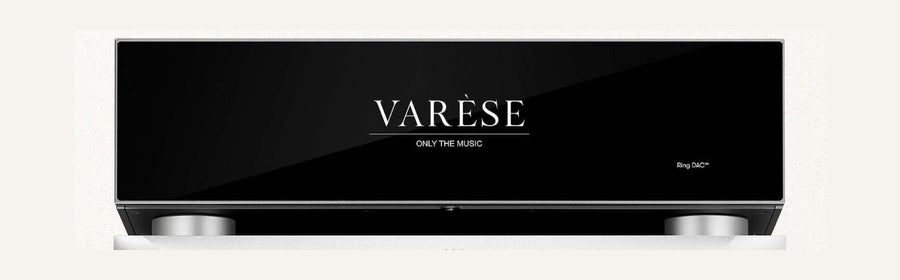
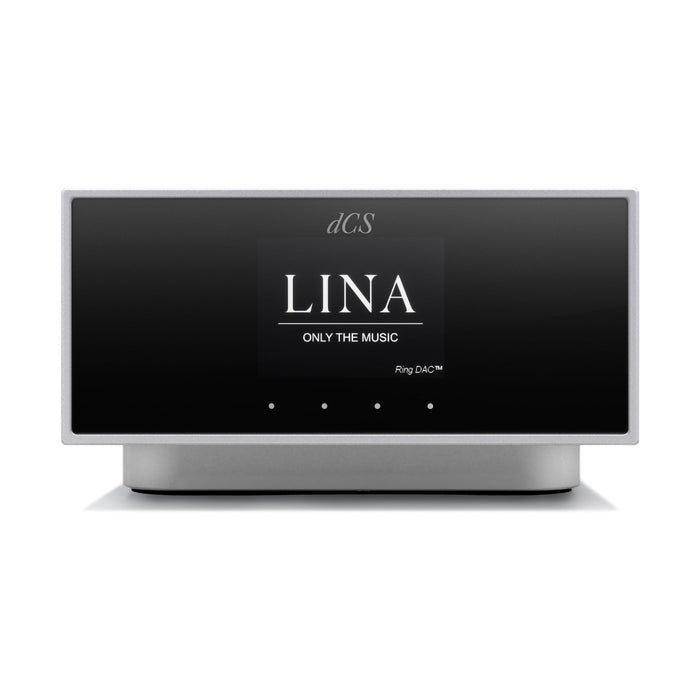
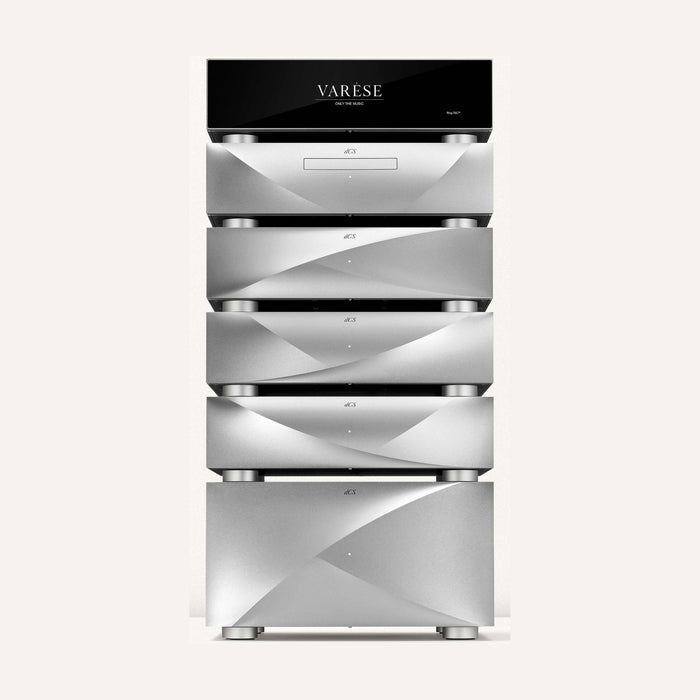
The current generation began in March 2022 with Ring DAC APEX, the first hardware revision of the Ring DAC board in a decade, and the Lina headphone system the same spring; Bartók APEX and the Vivaldi Transport II came in 2023. On 7 August 2024 dCS announced Varèse: the Differential Ring DAC with twice the current sources, a Mono DAC for each channel, a Core that does all the processing, and ACTUS, a single cable to each box carrying audio, control and the Tomix clock. It was first shown in Hong Kong two days later, premiered in the UK that November, won Stereophile's and The Absolute Sound's joint Overall Product of the Year for 2025, and gained its own Transport in September 2025, the year the company received a King's Award for Enterprise in Innovation for APEX and launched the full-width Lina DAC X. dCS remains privately held by the Steven family, with Andy McHarg and Chris Hales, Product Development Director since 1998, still on the board. In David Steven's words, "everything is in service of the music and bringing that moment to people."