Pearl Reference

Linn · Selekt DSM

Linn Selekt DSM: Classic Hub

$8,020

Signature technologiesThe Linn story

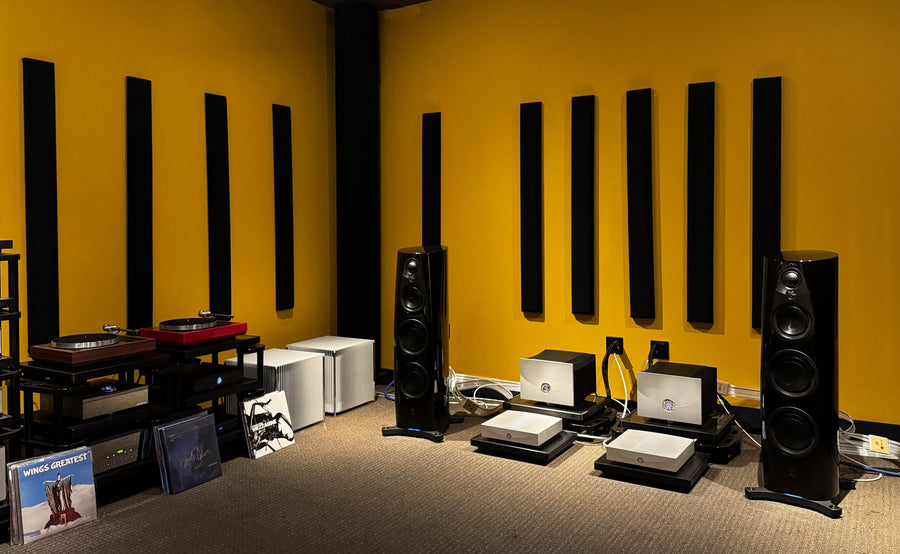
On demonstration in our Portland showroom

Linn · Selekt DSM

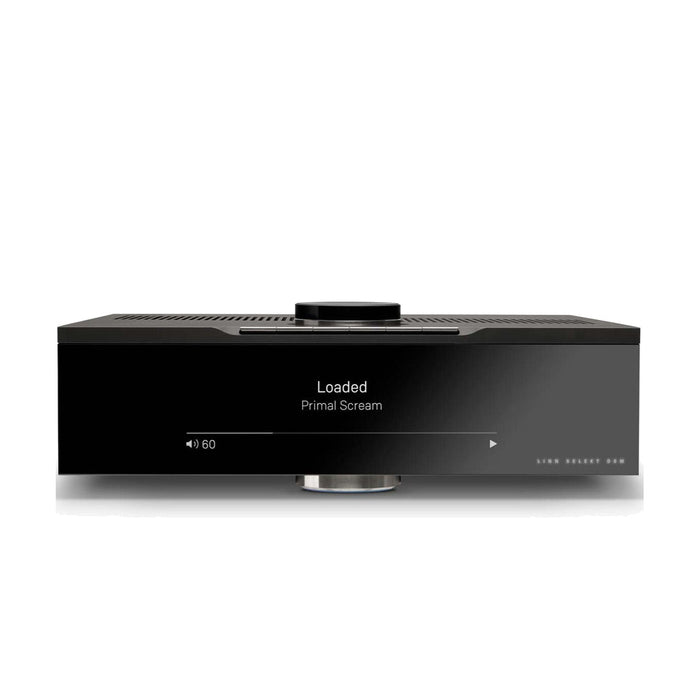
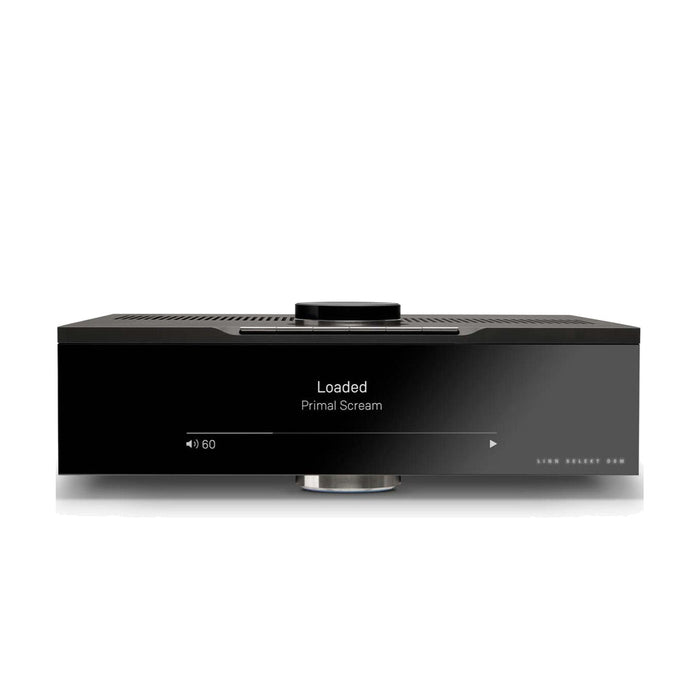
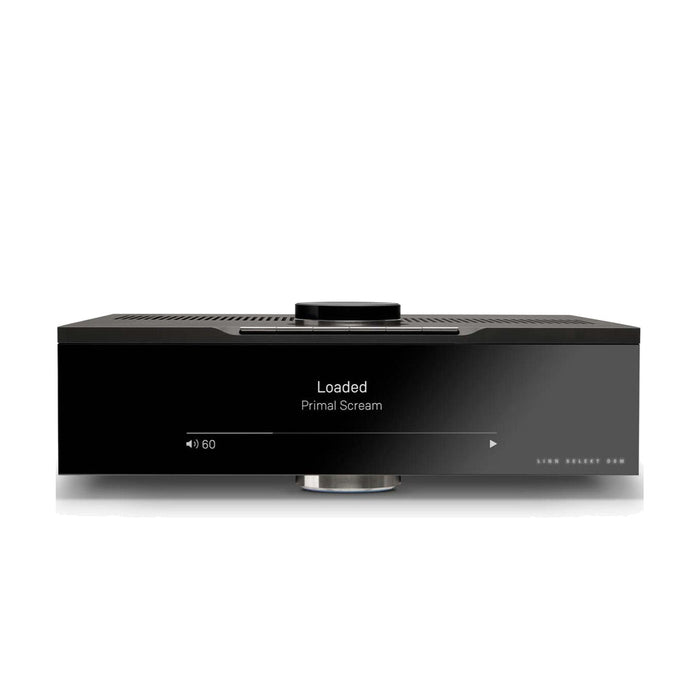
The Selekt DSM platform in its late-2024 Classic Hub, sold here as the bare hub: Exakt Link outputs, the full input set and Linn's streaming engine, ready for the output cartridge and DAC module you choose.

Hub only, without DAC module or output cartridge; configured versions are listed separately.

3
cartridge slots for outputs and DAC
2 × Exakt Link
drives Exakt speakers with no cartridge fitted
MM / MC
phono stage built in
Utopik
power supply

Authorized Linn dealer · Delivery and installation by Pearl Audio · Trade-ins welcome

The story

The late-2024 Classic Hub is the second generation of Linn's modular streamer chassis. Its folded aluminum sleeve is powder-coated in textured Classic Black or, for the first time, silver, and sits on an 8 mm machined aluminum base; the six smart buttons are machined stainless steel, the acrylic fascia carries a large-format display, and a Utopik power supply replaced the earlier design. Inside are three cartridge slots. A Line Out, Power Out, Hybrid or Mono Line Out cartridge sets the kind of output; a Standard, Katalyst or Organik DAC module sets the conversion quality; an HDMI switching module and a surround module are optional. Any of these can be changed later, and Pearl Audio fits them in-store.

On its own, the Classic Hub has no DAC module and no line or speaker outputs: it is a streamer, preamplifier and Exakt Link source, which is all a system with Linn Exakt Integrated speakers or an Exaktbox needs. For analog outputs or amplification you add a Line Out, Power Out or Mono Line Out cartridge and a Standard, Katalyst or Organik DAC module; Pearl Audio lists the common combinations as separate products and can fit any of them, at purchase or years later.

Whatever the configuration, every Selekt DSM streams from TIDAL, Qobuz, Deezer and Spotify Connect, supports AirPlay 2 and Roon, plays files to 24-bit/384 kHz and DSD256, and has a built-in MM/MC phono stage, a line input, two Toslink, two S/PDIF, USB and HDMI ARC, a 1/4-inch headphone output, and RCA subwoofer outputs for bass reinforcement. Two Exakt Link sockets connect Linn Exakt speakers, an Exaktbox or an LP12 with Urika II, and Space Optimisation corrects the system for your room. The Classic Hub is the way into Linn's modular platform at the lowest cost, and because the cartridges and DAC modules are the same ones used in the Edition Hub, nothing you add is wasted if you move up.

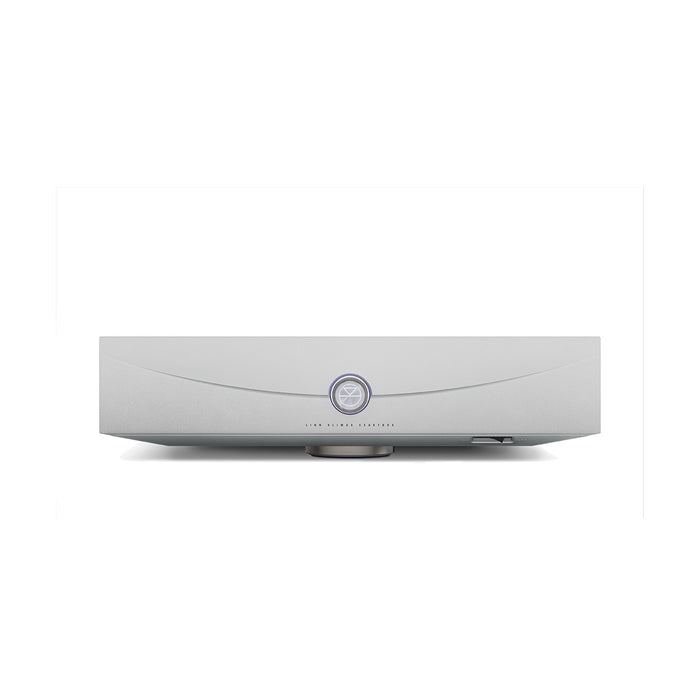
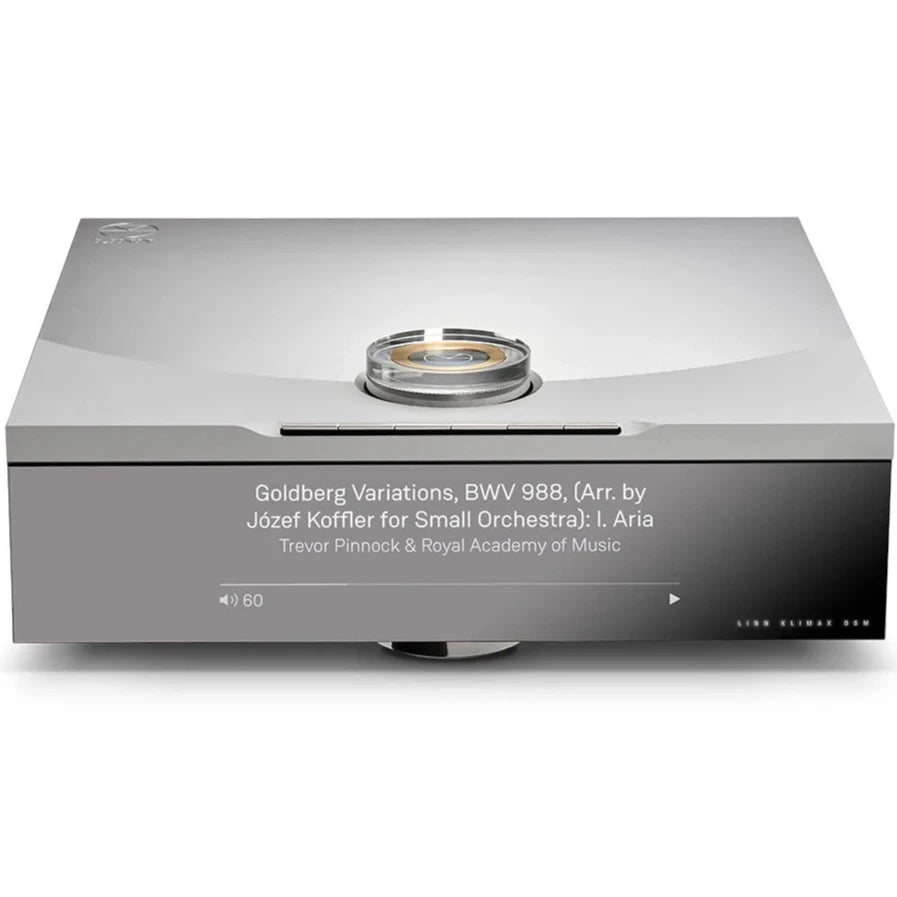
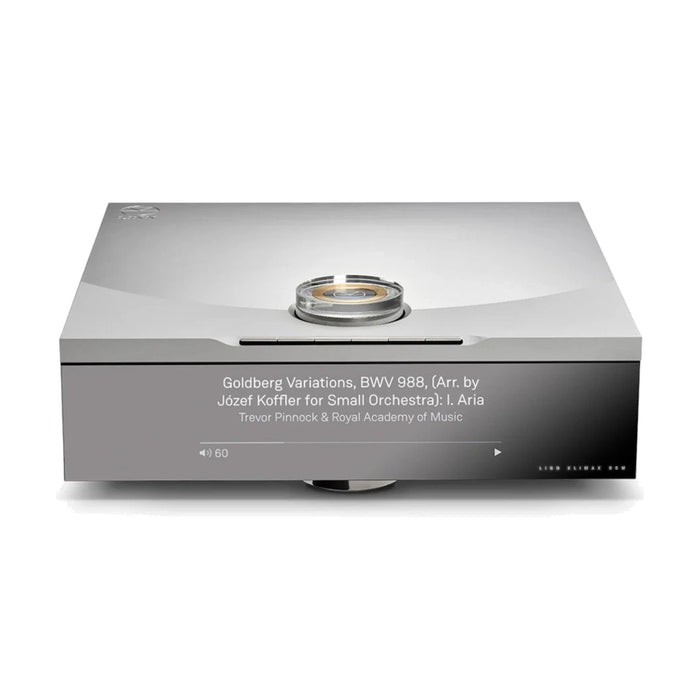
The Classic Hub is the lower of two Selekt hubs. The Edition Hub has the same electronics in an all-machined aluminum enclosure with a glass fascia; the Klimax DSM is Linn's reference. Finishes are Classic Black or silver powder coat.

Each technology below is explained in depth in the Linn technology library; the Linn story follows the company from the first Sondek LP12 in 1973 to Organik and Exakt.

Key technologies

  • Cartridge architecture. Three slots take Line Out, Power Out, Hybrid or Mono Line Out cartridges and a DAC module, all changeable later.
  • Utopik power supply. Linn's precision-regulated switch-mode supply, standard in both hubs. The deep dive.
  • Phono stage. Built-in MM (47 kΩ, +40 dB) and MC (100 Ω, +54 dB) inputs with a 24-bit/192 kHz ADC.
  • Exakt Link. Two sockets for Exakt speakers, an Exaktbox, or a Urika II in an LP12; run 119 or 150 speakers fully active with an Exakt configuration. The deep dive.
  • Space Optimisation. Room correction configured by your dealer, with bass reinforcement or redirect to the subwoofer outputs. The deep dive.
  • Smart buttons and dial. Six programmable buttons for albums, playlists or inputs; a 100-LED dial for volume and feedback.

Finishes

  • Classic Black textured powder coat
  • Silver powder coat

Both finishes are the same price.

Specifications
Type Modular network music player and preamplifier
Hub Classic Hub (late-2024): Folded, powder-coated aluminum sleeve on an 8 mm machined aluminum base, acrylic fascia, stainless-steel smart buttons
Output cartridge None fitted; Exakt Link outputs only. Line Out, Power Out, Hybrid or Mono Line Out cartridges can be added
DAC module None fitted; Standard, Katalyst or Organik available
Analog inputs 1 pair RCA line (1, 2 or 4 V sensitivity, 50 kΩ); MM phono (47 kΩ, 100 pF, +40 dB); MC phono (100 Ω, 470 pF, +54 dB); ADC 24-bit/192 kHz
Digital inputs 2 × Toslink; 2 × S/PDIF (one configurable as output); 1 × USB-B Audio Class 2; 1 × HDMI ARC; optional HDMI switching module
Network Ethernet 100Base-T; Wi-Fi 802.11ac; Bluetooth 4.2; 2 × Exakt Link
Other outputs 2 × RCA subwoofer (bass reinforcement or redirect); S/PDIF; 1/4 in headphone jack
Formats and resolution FLAC, WAV, ALAC, AIFF, MP3, AAC, OGG, WMA, DSD; PCM to 24-bit/192 kHz (384 kHz with Organik DAC); DSD64/128/256
Streaming TIDAL, Qobuz, Deezer, Spotify Connect, AirPlay 2, Roon Ready, TuneIn, airable, Calm Radio; UPnP from local storage
Room correction Space Optimisation
Display 1600 × 480 TFT
Power supply Utopik; 15 W sleep, up to about 200 W continuous depending on cartridges; 100–120 / 200–240 V auto-ranging
Dimensions (W × H × D) 14.0 × 4.7 × 14.0 in (355 × 119 × 355 mm)
Weight 17.7–23.9 lb (8.05–10.85 kg) depending on fitted cartridges (Linn 2024 fact sheet)
Finish Classic Black or Silver powder coat
Upgrade path DAC module and output cartridges can be changed or added at Pearl Audio

Linn Selekt DSM: Classic Hub product page and specifications

Where it sits in the range

Pearl Audio's Selekt DSM configurations in order of price; every one can be re-configured later, and the Klimax DSM sits above them all.

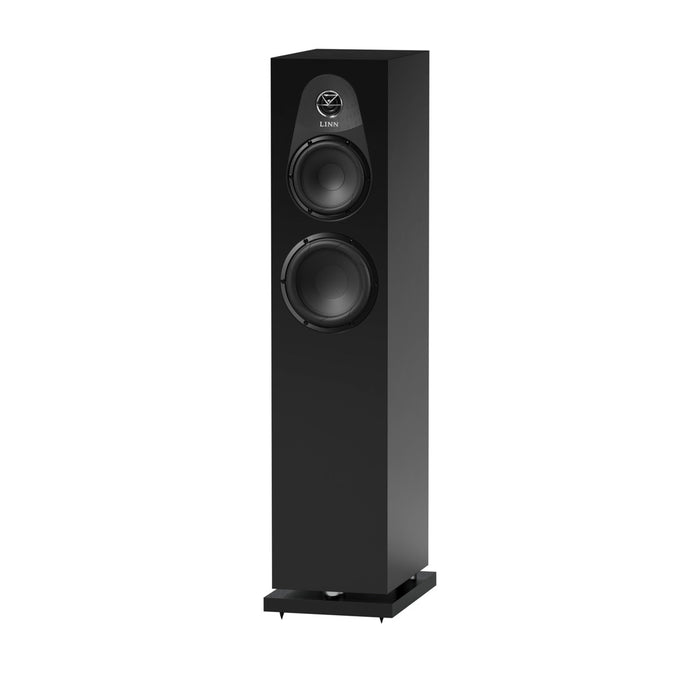
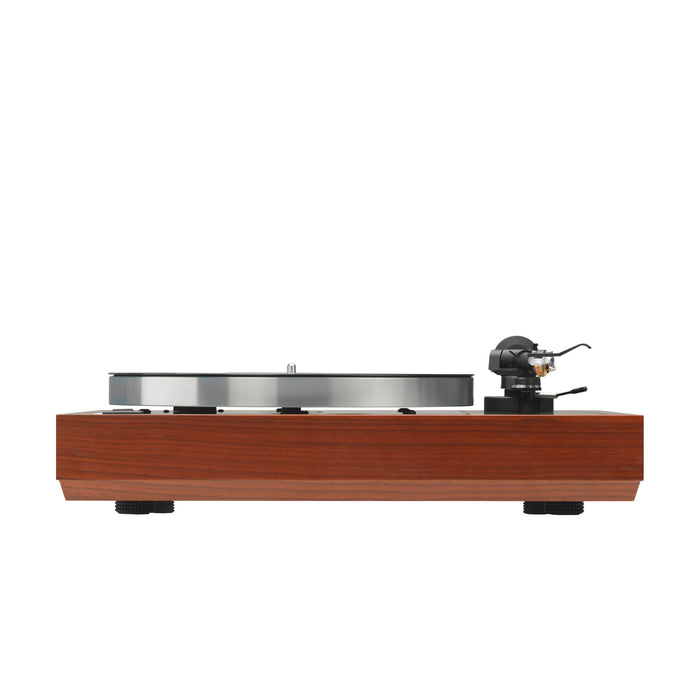
Speakers: the 119 and 150 can be driven directly and run in Exakt. Turntable: a Majik or Selekt LP12 into the built-in phono stage, or a Urika II over Exakt Link.

Reviews

Both reviews tested the first-generation Classic chassis with amplifier cartridges; the late-2024 hub adds a Utopik supply, headphone and subwoofer outputs.

Plan your Linn system with Pearl Audio

Pearl Audio is an authorized Linn dealer. We configure and install Selekt DSM systems, fit upgrade cartridges in-store, and can arrange an audition in our Portland showroom. Call (503) 222-2599 or email sales@pearlaudio.com.

Signature technologies

The engineering behind the Linn Selekt DSM: Classic Hub

Linn gives its technologies names because each one solves a specific problem. Here is what each does, where it came from, why it matters in a system, and what you may hear.

The end of the discSince 2007

Linn DS: the network music player

The Klimax DS of 2007 was the first high-resolution network player: no disc, no drive and no moving parts, pulling studio-master files over Ethernet and converting them in a machined-from-solid chassis. Two years later Linn stopped making CD players altogether. Read the deep diveClose

What it does

Conceived in 2004 and developed under Gilad Tiefenbrun, the Klimax DS received 24-bit, 192 kHz files over the network rather than over S/PDIF, upsampled them in an FPGA and converted them with a chassis and power supply built to Klimax standards; it had no storage of its own and no mechanism of any kind. The Akurate, Majik and Sneaky DS followed in 2008, the DSM of 2011 added a preamplifier and HDMI, and the platform has since been remade in software and in plug-in hardware: Space Optimisation in 2015, Katalyst in 2016, Organik in 2021, and the Selekt DSM's slot-and-cartridge design in 2018. Linn's Kinsky app began the control software that is now the Linn app, with Konfig and the cloud-based Linn Account for setup.

Why it matters in a system

In November 2009 Linn announced it would build no more CD players, because the network player was already better and the future of music was files and streams. The DS earned the Queen's Award for Enterprise in Innovation in 2012, and because its DAC boards plug in, a 2007 Klimax DS can be fitted with the current Organik converter in twenty minutes. It is the foundation of every Linn streamer we sell, from the Majik DSM to the Klimax DSM.

What you may hear

Wes Phillips in Stereophile found the first Klimax DS better, playing high-resolution files, than any CD player he had heard, and that it conveyed a sense of realism better than almost any component he had auditioned.

The crossover moved into the loudspeaker, digitallySince 2013

Exakt

Exakt keeps the music digital from the DSM to an engine inside each loudspeaker or Exaktbox, where a linear-phase crossover divides it, each drive unit's measured deviation is corrected, and only then is each driver's signal converted and amplified. Read the deep diveClose

What it does

In a conventional loudspeaker a passive crossover sits after the amplifier, and its filters delay the low frequencies more than the high ones, so the parts of a note arrive out of step. Exakt performs the crossover before conversion, in software, with linear phase, delaying the highs so that fundamental and harmonics arrive together; it measures every drive unit before it is installed and corrects its individual departure from the ideal; and it then gives each driver its own DAC and amplifier. Exakt Link carries the signal over ordinary Cat 5 cable from the DSM to the loudspeaker, and the Selekt DSM carries a three-way Exakt engine of its own for supported passive speakers driven by its power-out cartridges. The 360 of 2023 added Power DAC, which merges conversion and amplification into one stage for the bass drivers, and in 2026 Linn's first in-house drive units, with the Pistonik motor, were fitted to it. Exaktbox brings Exakt to Linn's passive loudspeakers and to selected designs from other houses.

Why it matters in a system

Linn's Aktiv systems of 1974 put the crossover before the amplifier in the analog domain; Exakt does it digitally and removes the timing error between drivers rather than reducing it, and it makes a loudspeaker upgradeable in software. It is Linn's complete system: a Klimax DSM, a pair of 360s and nothing between them but a network cable.

What you may hear

Spaciousness and timing. Alan Sircom in hi-fi+ found the 360 had excellent imaging, and excellent imaging for more than one listener, and called it an honest, neutral, dynamic and detailed loudspeaker; The Absolute Sound found it did bass into the 30 Hz region effortlessly.

Hear the music, not the roomSince 2015

Space Optimisation

Room correction without a microphone: Linn builds an acoustic model from the measured behavior of your particular loudspeakers, where they stand, and the room's dimensions, construction and features, then removes only the energy the room adds. It is included with every Linn player and set up by a Linn specialist. Read the deep diveClose

What it does

Space Optimisation starts from Linn's own measurements of hundreds of loudspeakers, including the positions of their drive units and the response of their ports, and from a description of the room: its dimensions, the construction of its walls, floor and ceiling, the doors and windows, and where the speakers and the listener are. From that it models the reflections that pile up energy at particular frequencies and the boundary effects of placement, and it reduces exactly those frequencies, leaving everything else as recorded. Space Optimisation+ on Exakt systems adds the measured response of every individual drive unit. The dealer first finds the speakers' best position by listening, then enters the practical position; the settings live in the owner's Linn Account and can be revisited as the room changes.

Why it matters in a system

Few rooms allow loudspeakers to stand where they sound best. Space Optimisation recreates the sound of the ideal position from the practical one, and it works with any loudspeaker a Linn DSM drives, so it is part of every Linn system we install. Connor and Russ set it up in your room when the system is delivered.

What you may hear

Cleaner, better-defined bass and a clearer midrange with the room's boom removed. John Darko called a treated room a pipe dream for most buyers and found the software gave better control over the lower frequencies; hi-fi+ wrote that Linn owners could now place their speakers wherever they chose and still enjoy great performance.

Thirty years of in-house switch-mode suppliesSince 1993

Utopik and Linn's power supplies

Linn has designed its own audio-optimized switch-mode power supplies since Brilliant in 1993. Utopik, the current generation, uses valley switching, power-factor correction and precision-regulated isolated rails, and in the Klimax Solo amplifiers a soft-switching resonant stage that delivers two kilowatts. Read the deep diveClose

What it does

Brilliant of 1993 was Linn's first in-house switching supply; Dynamik of 2009 added dedicated internal mains filtering, lower radio-frequency emission, faster control loops and spread-spectrum switching, and powered a decade of Klimax and Akurate products. Utopik, which appeared in the Selekt DSM Edition Hub in 2022, compares output to input through several feedback loops at every stage, uses intelligent valley switching and power-factor correction, and delivers precision-regulated, isolated rails that hold steady as the mains wanders. In the Klimax Solo 500 and 800 a resonant tank circuit lets the voltage across the switch fall to zero before it is thrown, soft switching, at up to two kilowatts; in the Klimax Radikal a dual-rail Utopik feeds the motor controller and the Urika phono stage separately. It is standard in the Klimax DSM, Selekt DSM, Klimax Exaktbox and Solo amplifiers, and a retrofit for many earlier products.

Why it matters in a system

Every DAC, motor controller and amplifier stands on its power rails, and Linn's position is that filtering done inside the product beats a conditioner outside it. Utopik is one reason a current Selekt or Klimax outperforms the same product from a few years earlier, and it is a retrofit we can fit to older Selekt DSMs.

What you may hear

A lower noise floor and more composure under load. Chris Frankland in StereoNET heard from the Klimax Solo 800 an amazingly uncolored, hear-through sound with sledgehammer bass and seemingly endless reserves of power.

All Linn technologies and the company story

The Linn story

Source first since 1973: the Sondek LP12, the first network music player, and a family company in Glasgow that upgrades rather than replaces.

Founded 1973 in Castlemilk, Glasgow; at Waterfoot, Eaglesham, since 1987 by Ivor Tiefenbrun · linn.co.uk

Milestones

  1. 1973 Linn founded in Castlemilk, Glasgow Ivor Tiefenbrun, an engineer at his father's firm Castle Precision Engineering, builds a turntable to cure the feedback in his own system and founds Linn Products to make it. The Sondek LP12 is the first product.Linn Klimax LP12 Turntable
  2. 1974 Isobarik, and the first Aktiv system Linn's first loudspeaker, with its patented isobaric loading, and its first active-crossover system: the crossover moved before the amplifiers, an idea Exakt would complete digitally forty years later.
  3. 1979 Ittok, Kan and a cutting lathe The Ittok LVII tonearm and the Kan loudspeaker; a Scully lathe bought to cut better test records becomes the seed of Linn Records.
  4. 1982 Valhalla, and Linn Records The Valhalla power supply is Linn's first electronics; Linn Records is founded, with The Blue Nile's A Walk Across the Rooftops among its first releases in 1983.
  5. 1985 LK1 and LK2 Linn's first preamplifier and power amplifier make it a complete-system company; the Axis turntable follows.
  6. 1987 The Eaglesham factory Linn moves into a purpose-built factory at Waterfoot, Eaglesham, designed by Richard Rogers around Single Stage Build: one person builds each product from start to finish and signs it.
  7. 1988 Ekos, Akito and Lingo The Ekos of 1988 is the first tonearm designed and built in-house; the Akito follows in 1989 and the Lingo, the first external LP12 supply, in 1990.Linn LP12 Ekos SE Tonearm
  8. 1992 Karik, Cirkus and an MBE Linn's first CD player and Numerik DAC; Ivor Tiefenbrun is appointed MBE; the Cirkus bearing and sub-platter upgrade of 1993 reaches every LP12.
  9. 1998 Sondek CD12 and the Klimax range A CD player machined from a solid aluminum billet founds Linn's flagship tier; the Klimax Solo of 1999 is the first product to carry the Klimax name.
  10. 2002 Royal Warrant Linn receives the Royal Warrant from the Prince of Wales and builds in-car audio for Aston Martin; Ivor Tiefenbrun had been Scottish Entrepreneur of the Year in 2001.
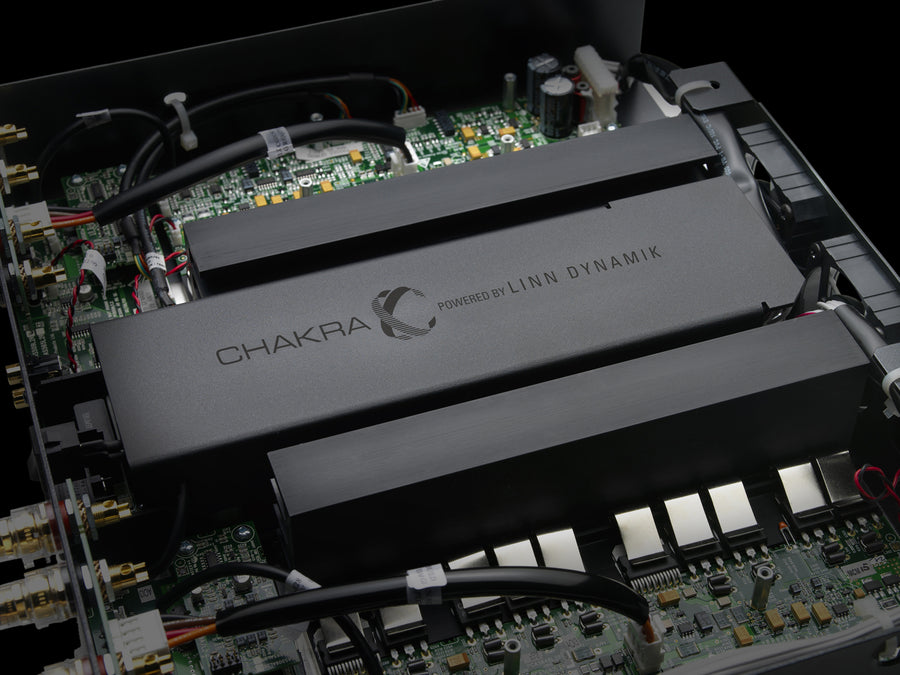
  11. 2006 Ekos SE and Keel The titanium Ekos SE tonearm and the one-piece machined Keel sub-chassis mark the LP12's thirty-third year; Chakra amplification and the first integrated Aktiv loudspeaker had arrived in 2004 and 2005.Linn Keel SE Sub-Chassis and Armboard
  12. 2007 Klimax DS The first high-resolution network music player, developed under Gilad Tiefenbrun: studio-master files over Ethernet, no disc and no moving parts. Linn Records becomes the first label to sell studio-master downloads.Linn Klimax Organik DSM Streamer
  13. 2009 No more CD players; Radikal and Urika Linn announces it will build no more CD players and will concentrate on network players; the Radikal motor supply and the Urika phono stage arrive for the LP12; Gilad Tiefenbrun becomes Managing Director.Linn Radikal Power Supply and Motor - Akurate Enclosure
  14. 2012 Queen's Award for Enterprise The DS platform earns the Queen's Award for Innovation; Linn Records had been Gramophone's Label of the Year in 2010, and the DSM players with HDMI arrived in 2011.
  15. 2013 Exakt On its fortieth anniversary Linn launches Exakt in the Klimax 350: the crossover performed digitally inside the loudspeaker, with each drive unit corrected. A forty-unit anniversary LP12 is built with a Highland Park cask-oak plinth.Linn Klimax Exaktbox Organik DAC
  16. 2015 Space Optimisation Model-based room correction becomes a free update to every Linn player; the Series 5 Exakt loudspeakers follow the same year, and Katalyst, the fourth-generation DAC, in 2016.
  17. 2018 Selekt DSM, Urika II and a new Lingo The configurable Selekt DSM with its slots and cartridges; Urika II with its Exakt Link output and the Radikal-derived Lingo for the LP12's forty-fifth anniversary. Krane and Karousel follow in 2020.
  18. 2021 Organik, Radikal/2 and Ekstatik The next-generation Klimax DSM with Linn's first all-in-house DAC; the Radikal/2 and Ekstatik for the LP12. In 2022 Arko, Kendo and Koil, the Selekt LP12 replacing the Akurate, and the Selekt DSM Edition Hub with Utopik.Linn Ekstatik Moving Coil Cartridge
  19. 2023 Fifty years: LP12-50 and the 360 The Sondek LP12-50 with Jony Ive's LoveFrom and the first Bedrok plinth; the 360 loudspeaker with Adaptive Bias Control; the Klimax Solo 800 in January 2024.Linn 360 Loudspeakers
  20. 2025 Bedrok, Klimax Radikal, Keel SE, Solo 500 The Bedrok plinth released to every LP12 in February; the Klimax Solo 500 in May; the Klimax Radikal and Keel SE in October. In 2026 Linn's first in-house drive units, with the Pistonik motor, go into the 360, and the 343 arrives.Linn LP12 Bedrok Plinth
Read the Linn story
Linn

In 1973 a young Glasgow engineer named Ivor Tiefenbrun bought an expensive hi-fi system and found it sounded worse than his parents'. Tracing the problem, he discovered that the loudspeakers' output was feeding back through the turntable and corrupting the signal before it ever reached the amplifier. The received wisdom said the turntable merely went round and the speakers were what mattered; Tiefenbrun concluded the opposite. Working at his father Jack's firm, Castle Precision Engineering, with help from its machinists, he built a belt-driven deck with a sprung sub-chassis and a patented single-point bearing, designed to resist feedback and to extract everything cut into the groove, and founded Linn Products in Castlemilk to make it. The Sondek LP12 was the company's first product. More than fifty years later it is still in production and still upgradeable to the current specification, the oldest hi-fi component still being made, and Linn's founding principle has never changed: information lost at the source is lost forever.

Tiefenbrun's method of persuasion was to take the deck into shops and let people hear for themselves, and the demonstration turned the industry's priorities upside down. Over the next fifteen years Linn extended source-first thinking to every link in the chain: the Isobarik loudspeaker and the first Aktiv active-crossover system in 1974, the Ittok tonearm and the Kan in 1979, the Valhalla supply in 1982, Linn's first electronics, the LK1 and LK2 amplifiers in 1985, and the Ekos, the first tonearm designed and built entirely in-house, in 1988. A cutting lathe bought to make better test records became Linn Records in 1982, whose first releases included The Blue Nile's A Walk Across the Rooftops and which Gramophone named Label of the Year in 2010. In 1987 Linn moved into a purpose-built factory at Waterfoot, Eaglesham, designed by Richard Rogers around Single Stage Build, in which one skilled person builds each product from start to finish and signs it. Ivor Tiefenbrun was appointed MBE in 1992.

Linn built its first CD player, the Karik, in 1992, and in 1998 the Sondek CD12, machined from a solid aluminum billet, founded the Klimax range; the Klimax Solo of 1999 was the first product to carry the name. The 2000s brought the Royal Warrant and in-car audio for Aston Martin, a factory expansion that nearly doubled the plant, Chakra amplification and the first fully integrated Aktiv loudspeaker, and the Ekos SE and machined Keel sub-chassis for the LP12 in 2006. Then Linn did something no high-end company had done. In 2007 the Klimax DS, developed under Ivor's son Gilad Tiefenbrun, played studio-master files at 24 bits and 192 kHz straight from a network, with no disc, no drive and no moving parts; Stereophile found it better than any CD player its reviewer had heard. In November 2009 Linn announced it would stop making CD players altogether, Gilad became Managing Director and Ivor Executive Chairman, and the decision, taken as the financial crisis squeezed the high end, was vindicated by the Queen's Award for Enterprise in Innovation in 2012 and by profit every year since.

Owning the digital path let Linn attack problems no analog component could reach. Exakt, in 2013, keeps the signal digital all the way into the loudspeaker, where a phase-linear crossover corrects each measured drive unit and aligns every part of every note in time. Space Optimisation, in 2015, a free update to every Linn player, builds an acoustic model of the listener's own speakers, their position and the room and removes the energy the room adds. Katalyst in 2016 put Linn in control of every input to the converter chip, and Organik in 2021, Linn's first wholly in-house converter, replaced the chip with an FPGA and a discrete conversion stage that The Absolute Sound placed among the best DACs at any price. Linn has made its own switch-mode power supplies since 1993, and the Utopik generation now sits under the Klimax DSM, the Selekt DSM, the Klimax Solo amplifiers and the LP12's Klimax Radikal. Every one of these is a retrofit; a 2007 Klimax DS takes an Organik board in twenty minutes. The LP12 kept pace: Radikal and Urika in 2009, Urika II in 2018, Karousel in 2020, Ekstatik in 2021, Arko and Kendo in 2022, Bedrok, Klimax Radikal and Keel SE in 2025.

Linn marked its fiftieth year in 2023 with the Sondek LP12-50, a 250-unit edition refined with Jony Ive's LoveFrom and the first appearance of the Bedrok plinth, and with the 360, a four-way Exakt loudspeaker that Gilad Tiefenbrun called the finest Linn had ever made and the debut of Adaptive Bias Control, which corrects the bias of every output transistor in real time for the life of the amplifier. That technology went into the Klimax Solo 800 of 2024 and Solo 500 of 2025; in 2026 the 360 received Linn's first drive units designed entirely in-house, with the Pistonik motor, and the 343 followed. Linn remains an independent family business with no outside shareholders, Ivor Tiefenbrun as Chairman and Gilad Tiefenbrun as Chief Executive, and every product is still built by one person in the Eaglesham factory who signs it. Quality and longevity, not planned obsolescence, is how Linn puts it, which is why an LP12 bought in 1973, or a Klimax DS bought in 2007, is brought up to date rather than replaced.
The complete Linn story and technology library

Linn at Pearl Audio

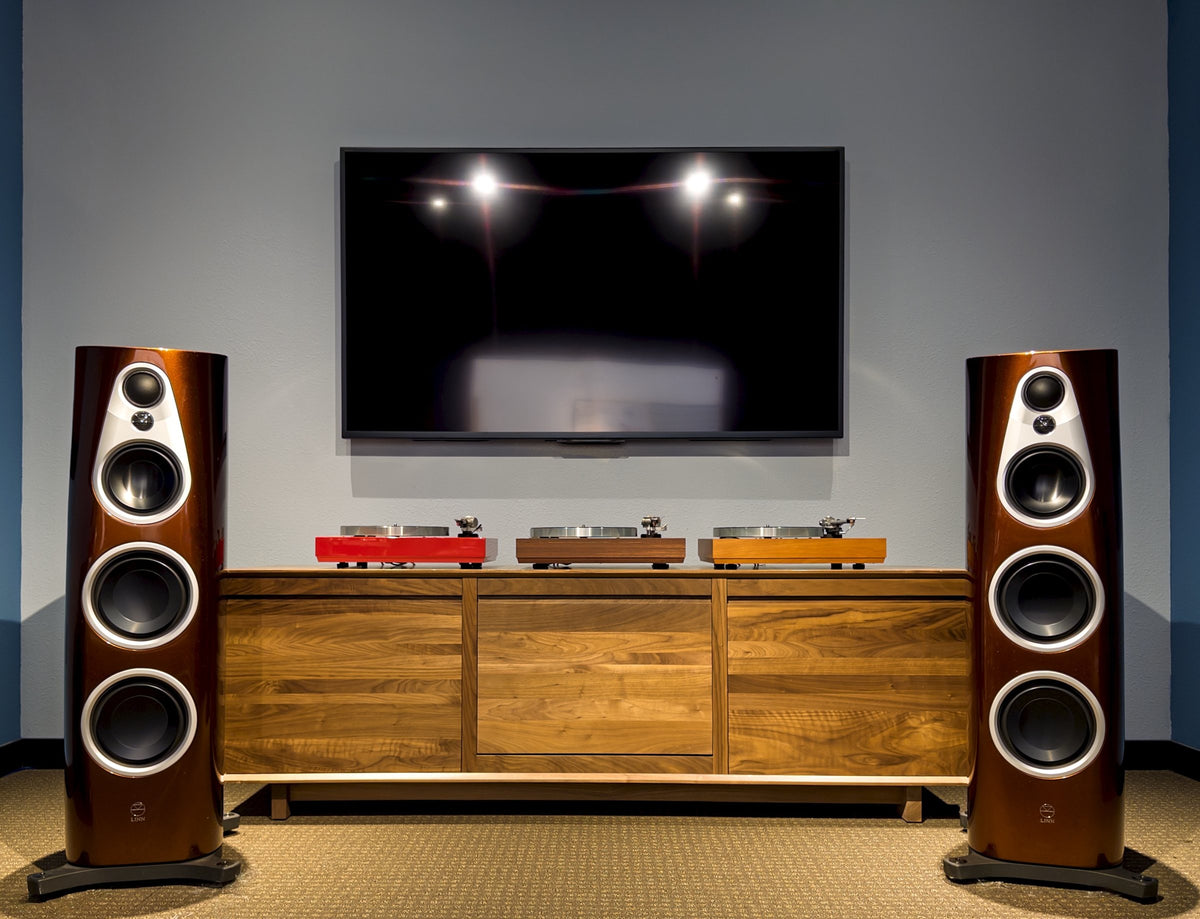
Pearl Audio has been a Linn dealer since 2006 and is a Linn Reference Level dealer. Five Sondek LP12s in different configurations are on the floor, from the Majik to the Klimax on Bedrok, and John and Russ, our two LP12 technicians, have each been building and setting up the deck for more than a decade; Russ is our LP12 expert and sets up several turntables a week. Connor and Russ are our Linn digital streaming experts: they configure the Selekt and Klimax DSM, set up Space Optimisation and Exakt in your room, and keep the Linn systems in the showroom current. Linn digital, from the Selekt DSM to the Klimax DSM, the Klimax Solo amplifiers and the 360, is on demonstration, and we stock most LP12 upgrade parts for immediate installation. Read the deck's story on our LP12 page.

The Pearl Audio experience

How we work with you

A system at this level should be heard, thoughtfully matched, and properly set up. From the first audition to long-term ownership, you work with the same people, in person.

  1. 01

    Listen first

    Hear the Selekt DSM: Classic Hub by appointment in one of our two purpose-designed demonstration rooms, with your own music and time to compare without pressure.

  2. 02

    Delivery and installation

    We deliver and install throughout the Portland area, taking care of placement, connections, ventilation and system configuration ourselves.

  3. 03

    Support for as long as you own it

    We support everything we sell for as long as you own it, whether the answer comes by phone, in your home, or through factory service.

  4. 04

    A path for what comes next

    Trade-in assistance and qualifying 100% Trade-Up options give you flexibility when your listening priorities or your system change.

Search