What it does
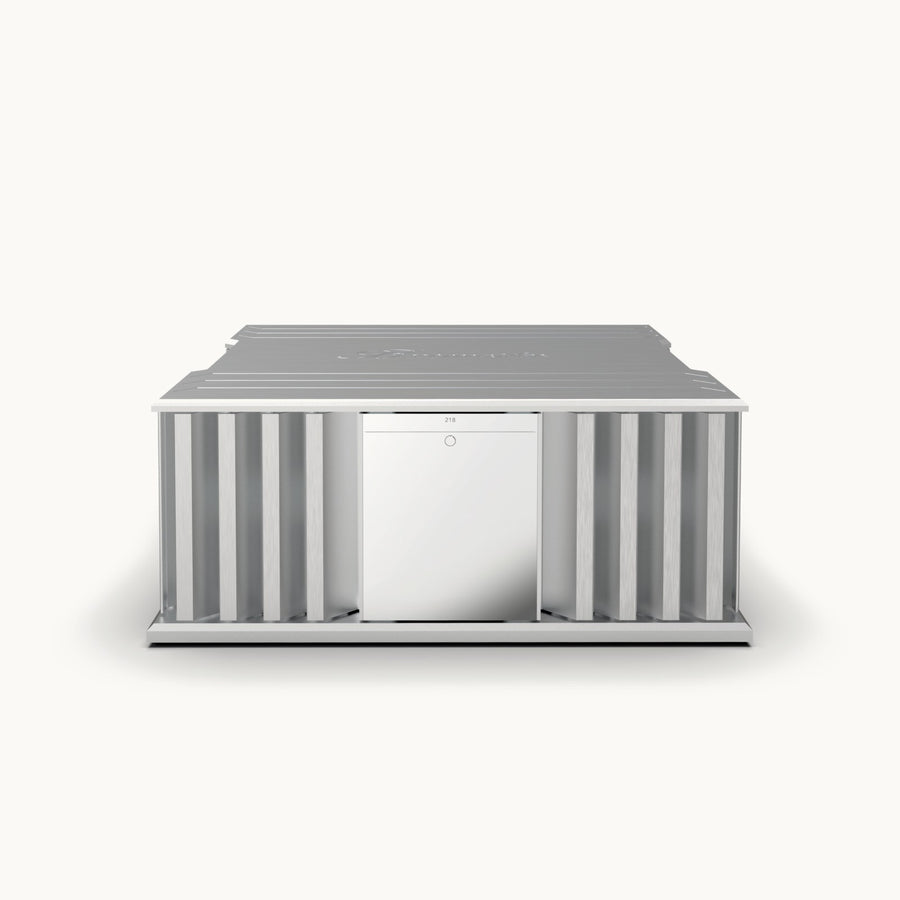
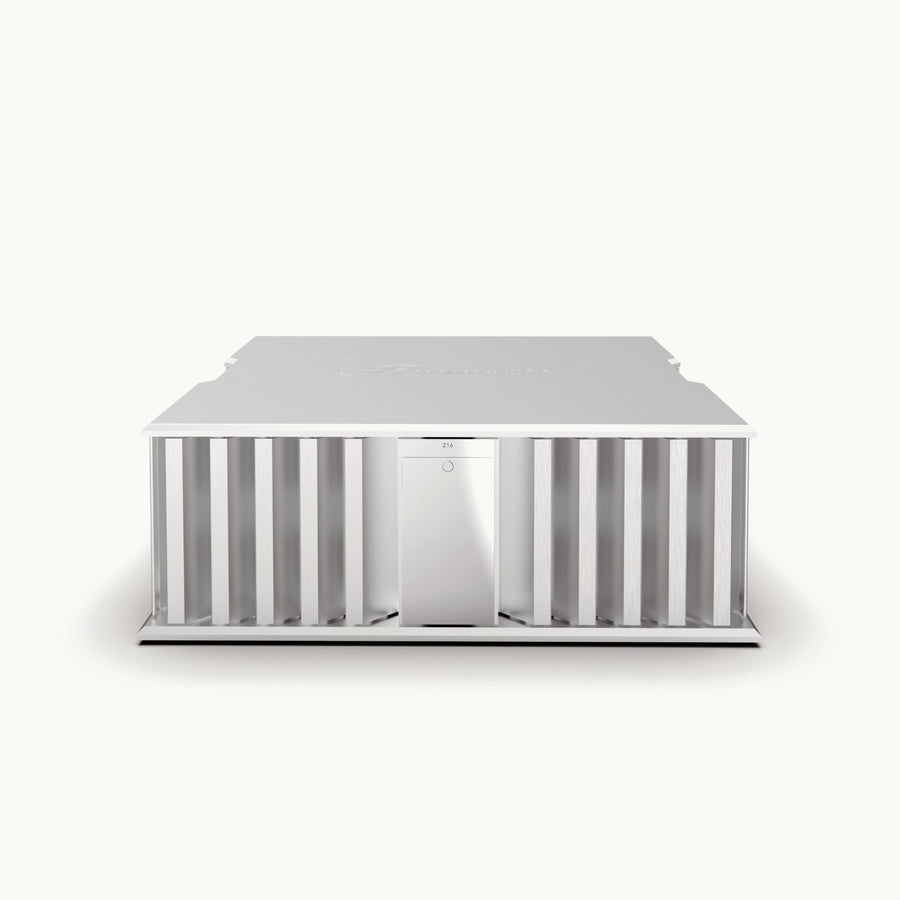
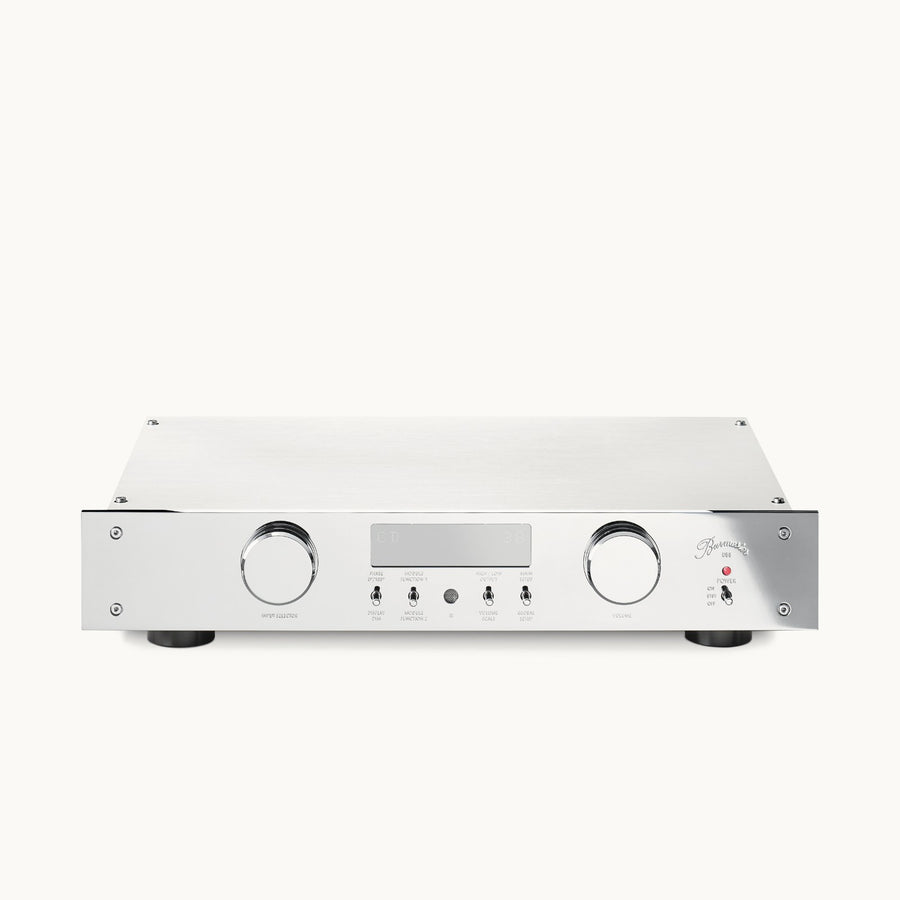
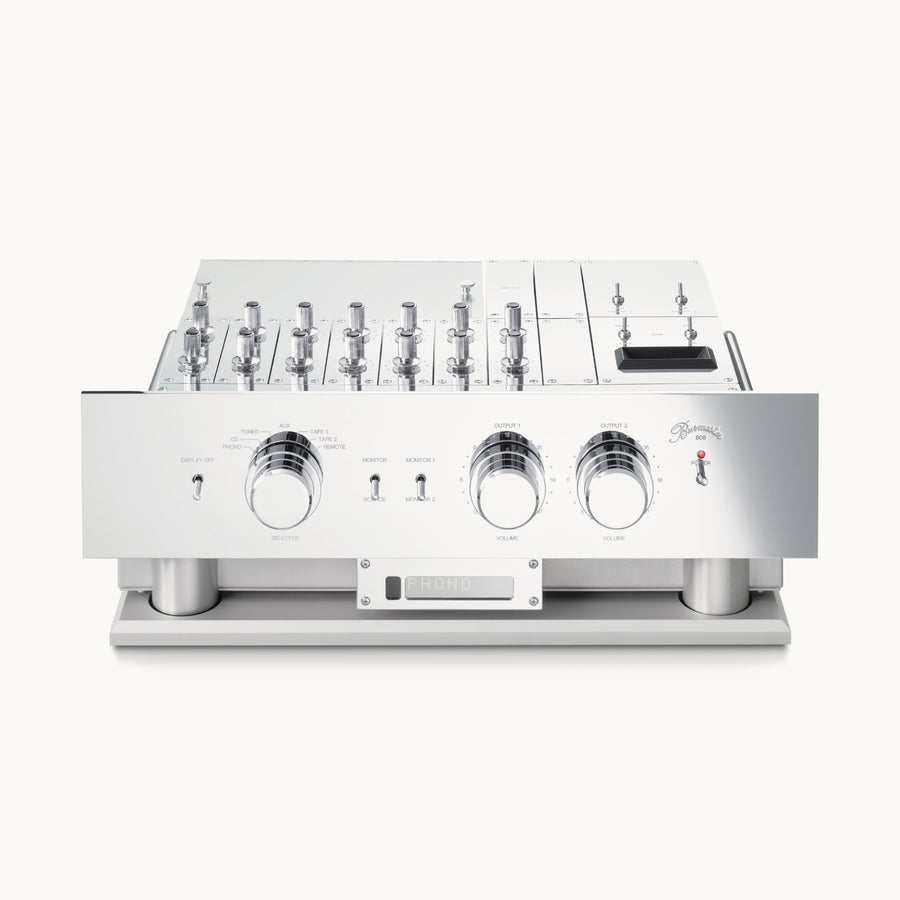
Where most manufacturers buy an integrated op-amp for the small-signal stages, Burmester builds its own. X-AMP is a module of matched discrete transistors, hand-assembled and selected to tight tolerances, that provides the voltage gain in a Burmester preamplifier, phono stage or DAC output and the input stage of a Burmester power amplifier. X-AMP 2, developed under Dieter Burmester in the mid-2000s, is the version in the 808 MK5, 088, 100 Phono, 956 MK2 and the 216 and 218 power amplifiers; X-AMP 3, introduced with the 2025 Reference Line, is a three-stage, fully complementary design with targeted compensation, built with modern surface-mount parts to shorten the signal path, and it is now in the 249, 259 and the current 111 Musiccenter. In the 216 and 218 the X-AMP input stages run in Class A and stay in Class A; the Class AB output stage takes over above roughly ten watts.
Why it matters in a system
Because the same gain block sits in the phono stage, the preamplifier, the DAC and the power amplifier, an all-Burmester chain has one consistent character from cartridge to loudspeaker terminal, and the quietest parts of the music are handled everywhere by the most linear part of the circuit. It is also why Burmester components from different decades and different lines sound like one family.
What you may hear
Low distortion and noise that reviewers measure as well as hear. On Stereophile's bench the 218 produced 0.002% THD+N at 30 W into 8 ohms and 0.0003% in mono, and Jim Austin called it, in a word, superb and one of the finest amplifiers he had reviewed. Listeners describe the Burmester gain stage as refined but dynamic, with no coarseness or grain.