← Back to your LP12 build

Pearl Reference

dCS · Lina

dCS Lina Headphone System

$32,300

The dCS story

Not currently in our rooms. For a serious buyer we will often bring a piece in from the manufacturer for a private session — tell us about your system and what you are weighing it against, and we will advise.

dCS · Lina

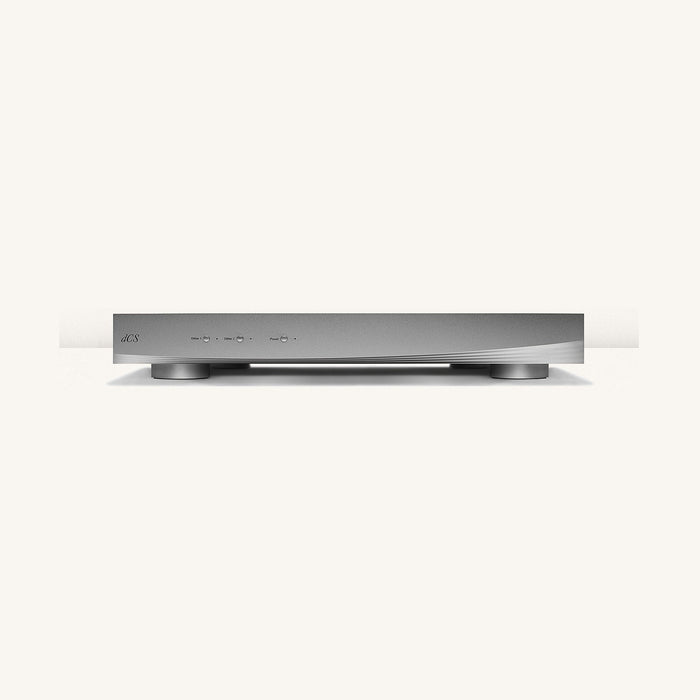
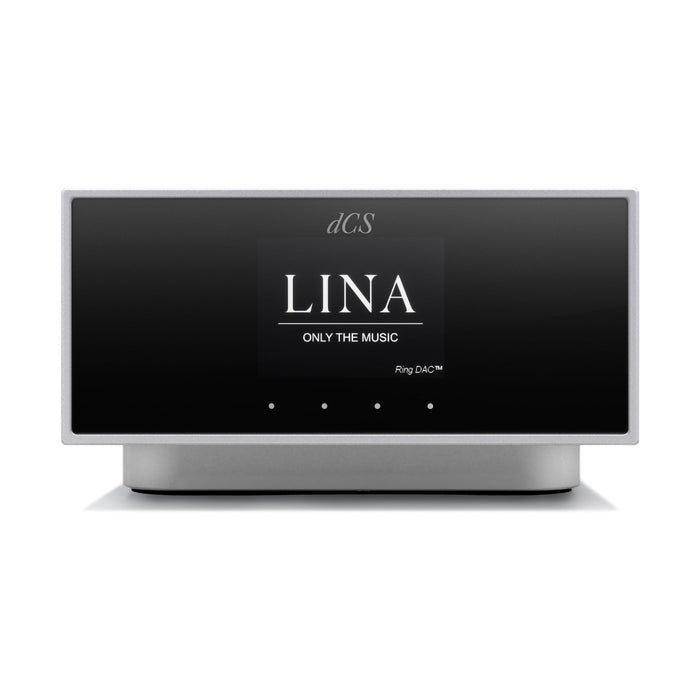
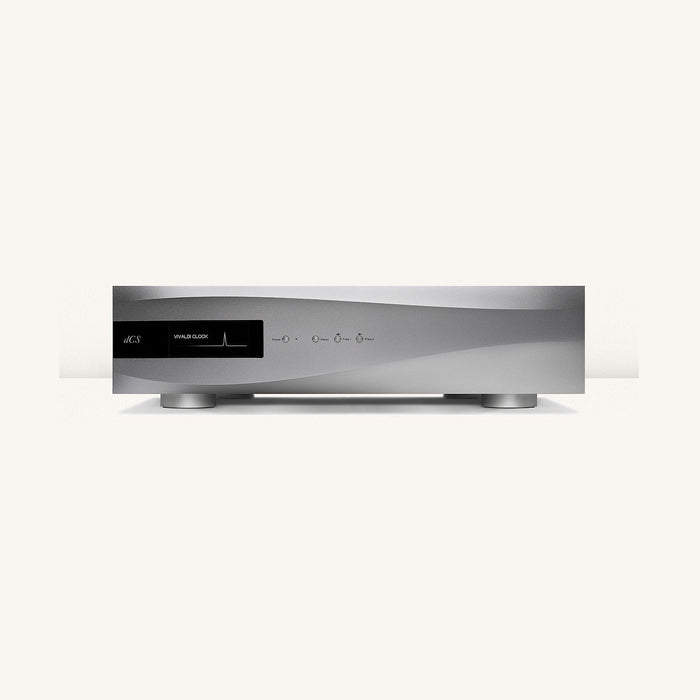
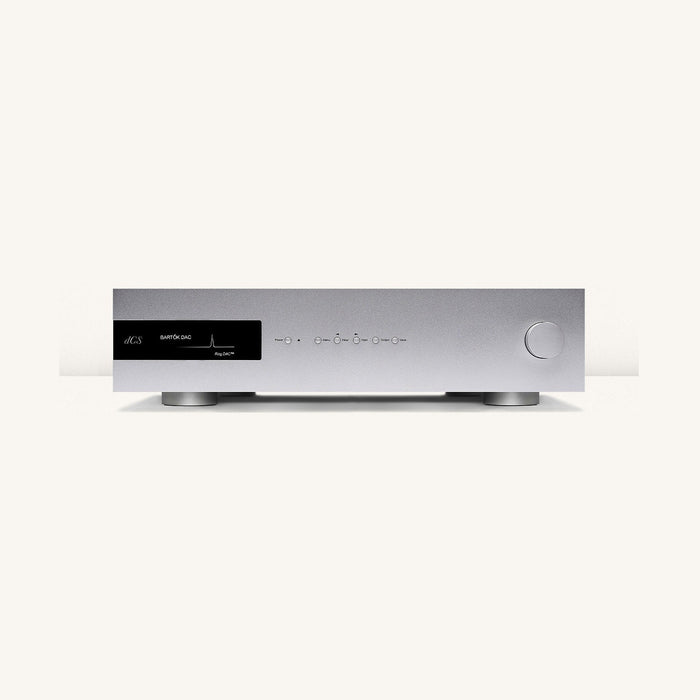
The complete three-box dCS Lina: the Lina Network DAC, the Lina Master Clock and the Lina Headphone Amplifier, each in the matching 220 mm half-width chassis.

System price: Lina Network DAC, Lina Master Clock and Lina Headphone Amplifier, priced as the sum of the three components at dCS's current US list. Each is also sold separately. Headphones are not included.

3
chassis: Network DAC, Master Clock, Headphone Amplifier
220 mm
wide (8.7 in), each box; they stack in one column on a desk
2 W
per channel into 30 Ω, balanced, from the Headphone Amplifier
$32,300
the three components, as listed

Authorized dCS dealer · Delivery and installation by Pearl Audio · Trade-ins welcome

The story

dCS introduced Lina as a system for the headphone listener: three half-width boxes that stack on a desk and work as one. The Lina Network DAC is the source. It carries the full dCS Ring DAC and Digital Processing Platform on a flex-rigid board, streams over Ethernet through dCS Mosaic (Roon Ready, Qobuz, TIDAL, Spotify, UPnP, AirPlay 2), and has a digital volume control, six PCM filters, three Mapper settings, crossfeed and dCS Expanse headphone processing.

The Lina Master Clock takes the reference oscillators out of the DAC and gives them their own enclosure and power supplies: two crystal oscillators, one for each sample-rate family, sent to the DAC over two word clock cables. The Lina Headphone Amplifier is dCS's first stand-alone analog component, a Class AB design with a DC-servo output stage, three analog inputs and three headphone outputs. A Power Link connection switches all three on and off together.

For a loudspeaker system built around the full-width Lina, see the Lina DAC X Stack. Each component is explained on its own page, and the dCS story page covers the technologies in depth.

Finishes

Silver or black, at the same price; every box in the system is ordered in the same finish.

Specifications
System comprises Lina Network DAC ($14,400), Lina Master Clock ($8,150), Lina Headphone Amplifier ($9,750): $32,300 at dCS's current US list
Converter dCS Ring DAC and Digital Processing Platform in the Network DAC; three Mapper settings
Sample rates / formats PCM 44.1–384 kS/s up to 24-bit; DSD64 and DSD128
Clocking Lina Master Clock: 44.1 kHz and 48 kHz on two 75 Ω BNC outputs; better than ±1 ppm
Headphone amplifier Class AB, DC-servo output stage; 2 W per channel into 30 Ω balanced; three analog inputs, three headphone outputs
Dimensions, each chassis 220 mm wide; Network DAC and Master Clock 121.5 mm tall, 339 mm deep

Plan your dCS system with Pearl Audio

Pearl Audio is an authorized dCS dealer. Ask us about the Lina Headphone System, or to arrange an audition in our Portland showroom. Call (503) 222-2599 or email sales@pearlaudio.com.

The dCS story

Forty years of writing its own converter: the Ring DAC, born in radar and the recording studio, and still hand-built in Cambridgeshire.

Founded 1987 in Cambridge, England (in Swavesey, Cambridgeshire, since 2009) by Mike Story · dcsaudio.com

Milestones

  1. 1987 Founded in Cambridge Data Conversion Systems, incorporated November 1986, begins work at Castle Park under founder Mike Story: a converter and signal-processing consultancy for Ferranti, Marconi Avionics and British Aerospace, specializing in radar A/D conversion.
  2. 1989 dCS 900 A 24-bit studio analog-to-digital converter and the first product with the company's Ring conversion technology; Bob Ludwig's Gateway Mastering becomes a customer.
  3. 1993 dCS 950: the first Ring DAC The company's first digital-to-analog converter, described as the world's first 24-bit DAC. Andy McHarg joins in November and writes code for it; the early 1990s also bring more than 120 bespoke converters for the BBC.
  4. 1996 Elgar The first dCS for the home, a Ring DAC styled by Allen Boothroyd and reviewed by John Atkinson in 1997. The consultancy work ends and the company moves to Great Chesterford.
  5. 1999 Purcell and Delius Purcell is the first consumer upsampler, an idea dCS discovered with the professional 972 converter in 1997; Delius is the matching DAC. The Verdi SACD transport (2001) and Verona master clock complete the first four-box system.
  6. 2007 Scarlatti The first flagship after dCS leaves professional audio: transport, DAC, upsampler and clock linked by FireWire. Paganini and the one-box Puccini (Stereophile's 2010 Digital Component of the Year) follow in 2008.
  7. 2009 David Steven, and Swavesey After the death of David Marshall Steven, who had taken the majority of the company in the mid-2000s, his son David J. Steven becomes Managing Director; dCS moves into its purpose-designed building at Swavesey, Cambridgeshire.
  8. 2012 Vivaldi Unveiled at the Hong Kong AV Show: four chassis, Dual AES in place of FireWire, a dual-mono Ring DAC, a new FPGA processing platform, auto-clocking and the first dCS network interface.dCS Vivaldi APEX DAC
  9. 2015 Rossini, and Vivaldi 2.0 Rossini puts the Vivaldi's Ring DAC into a one-box player and DAC with a matching Master Clock. Vivaldi 2.0 brings new Mappers, DSDx2 and streaming services as a free update, the pattern for every dCS since.dCS Rossini APEX DAC
  10. 2017 Vivaldi One A 250-unit thirtieth-anniversary player at HIGH END Munich: Ring DAC, transport and streamer in one chassis.
  11. 2018 Bartók A network DAC with an optional Class A headphone amplifier replaces Debussy, the 2010 computer-audio DAC that was Stereophile's 2011 Digital Component of the Year.dCS Bartók APEX DAC
  12. 2019 Mosaic, and a Queen's Award The Mosaic streaming and control platform launches at Munich for every current dCS streamer; Rossini 2.0 arrives; dCS receives the Queen's Award for Enterprise: Innovation for the Vivaldi technologies.
  13. 2020 Expanse dCS Expanse headphone processing is released in December as a Mosaic update for Bartók.
  14. 2022 Ring DAC APEX, and Lina APEX, the first hardware revision of the Ring DAC board in a decade, ships in March for Vivaldi and Rossini; the Lina headphone system (DAC, Master Clock and amplifier) arrives in May; Bartók 2.0 follows.dCS Lina Network DAC
  15. 2023 Bartók APEX and Vivaldi Transport II Bartók APEX is Stereophile's Digital Source Component of the Year; the Vivaldi Transport II, with a new SACD mechanism, ships in November.dCS Vivaldi Transport II
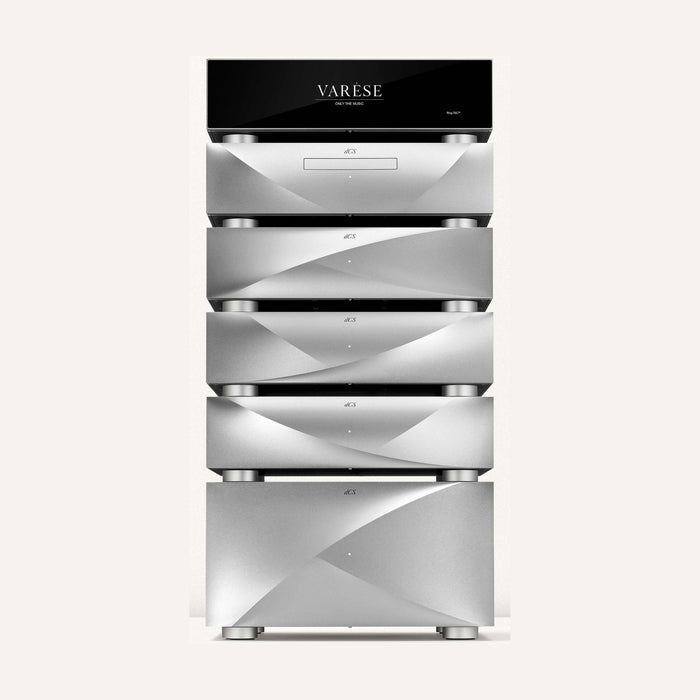
  16. 2024 Varèse Announced 7 August and first shown at the Hong Kong AV Show: the Differential Ring DAC, Mono DACs, the Core, a Master Clock and User Interface, linked by ACTUS. UK premiere in November; shipping by the end of the year.dCS Varèse Music System
  17. 2025 Varèse Transport, Lina DAC X, a King's Award The Varèse Transport launches in September; Lina DAC X debuts at Munich; dCS receives the King's Award for Enterprise: Innovation for Ring DAC APEX; Varèse is Stereophile's and The Absolute Sound's joint Overall Product of the Year.dCS Varèse Transport
  18. 2025 dCS at Pearl Audio Managing Director David Steven joins us in Portland for a dCS evening in the Pearl Audio showroom.
Read the dCS story
dCS

Data Conversion Systems was incorporated in Cambridge in November 1986 and counts 1987 as its first year. Its founder, Mike Story, an Oxford physicist with a doctorate from Imperial College, gathered a team of electronics engineers with venture backing and set up at Castle Park as a consultancy for Ferranti, Marconi Avionics and British Aerospace, specializing in the analog-to-digital conversion behind radar; work that later flew in the RAF's Harrier and Typhoon. The habit of measuring everything, and of writing the signal processing themselves rather than buying it, came from that beginning.

Audio followed. The dCS 900, begun in 1988 and released in 1989, was a 24-bit studio analog-to-digital converter and the first product to carry the company's Ring conversion idea; Bob Ludwig of Gateway Mastering was, in his words, a very good customer. In the early 1990s dCS built more than 120 bespoke converters and a custom clocking system for the BBC's London radio center, and in 1993 the dCS 950 became the company's first digital-to-analog converter, built on the Ring DAC. Andy McHarg joined that November and wrote code for it; he is Technical Director today. The Elgar of 1996, styled by Allen Boothroyd, brought the Ring DAC into the home; the consultancy work ended and the company moved to Great Chesterford, south of Cambridge. The 972 digital-to-digital converter of 1997 was where dCS discovered upsampling, and the Purcell of 1999 was the first consumer upsampler, followed by the Delius DAC, the Verdi SACD transport of 2001 and the Verona master clock: the four-box dCS system, in its first form.

Ownership changed in the mid-2000s. Mike Story stepped back from day-to-day leadership, David Marshall Steven took the majority of the company, and dCS left professional audio to concentrate on the home; the Scarlatti of 2007 was the first flagship of that era, and the Paganini range and the one-box Puccini of 2008, the latter Stereophile's 2010 Digital Component of the Year, made the company's name with a wider audience. When David Marshall Steven died in 2009, his son David J. Steven became Managing Director, a post he still holds, and the company moved into its purpose-designed building at Swavesey, where every unit is still hand-assembled. The Debussy of 2010 was dCS's first computer-audio DAC and Stereophile's 2011 Digital Component of the Year.

Vivaldi, unveiled at the Hong Kong AV Show in August 2012, defined the modern dCS: a transport, a DAC, an upsampler and a master clock, each in its own chassis, with Dual AES in place of FireWire, a dual-mono Ring DAC, a new FPGA processing platform and the company's first network interface. Rossini of 2015 put the same Ring DAC into a one-box player and DAC with a matching clock; Vivaldi 2.0 the same year showed that a dCS could be remade in software, with new Mappers and DSDx2 arriving as a free update. The thirtieth anniversary brought the Vivaldi One in 2017; Bartók followed in 2018, Mosaic, the company's streaming and control platform, in 2019 with a Queen's Award for Enterprise in Innovation the same year, and Expanse headphone processing in 2020.

The current generation began in March 2022 with Ring DAC APEX, the first hardware revision of the Ring DAC board in a decade, and the Lina headphone system the same spring; Bartók APEX and the Vivaldi Transport II came in 2023. On 7 August 2024 dCS announced Varèse: the Differential Ring DAC with twice the current sources, a Mono DAC for each channel, a Core that does all the processing, and ACTUS, a single cable to each box carrying audio, control and the Tomix clock. It was first shown in Hong Kong two days later, premiered in the UK that November, won Stereophile's and The Absolute Sound's joint Overall Product of the Year for 2025, and gained its own Transport in September 2025, the year the company received a King's Award for Enterprise in Innovation for APEX and launched the full-width Lina DAC X. dCS remains privately held by the Steven family, with Andy McHarg and Chris Hales, Product Development Director since 1998, still on the board. In David Steven's words, "everything is in service of the music and bringing that moment to people."
The complete dCS story and technology library

dCS at Pearl Audio

Pearl Audio is an authorized dCS dealer and keeps the whole range on the floor in Portland, from the Lina Network DAC and Master Clock to the Varèse Music System, so that each step in the range can be heard in one room on one afternoon. We generally hold several dCS events at Pearl Audio each year, often with the dCS team in the room. dCS components are set up and delivered by our own staff in the Portland area; the Rossini, Vivaldi and Varèse stacks are on demonstration, and we compare them box by box on the dCS stacks page.

The Pearl Audio experience

How we work with you

A system at this level should be heard, thoughtfully matched, and properly set up. From the first audition to long-term ownership, you work with the same people, in person.

  1. 01

    Listen first

    The Lina Headphone System is not in our rooms at present. When it is the right piece for a client we arrange a demonstration unit from the manufacturer and set it up for a private session.

  2. 02

    Delivery and installation

    We deliver and install throughout the Portland area, taking care of placement, connections, ventilation and system configuration ourselves.

  3. 03

    Support for as long as you own it

    We support everything we sell for as long as you own it, whether the answer comes by phone, in your home, or through factory service.

  4. 04

    A path for what comes next

    Trade-in assistance and qualifying 100% Trade-Up options give you flexibility when your listening priorities or your system change.

Search