What it does
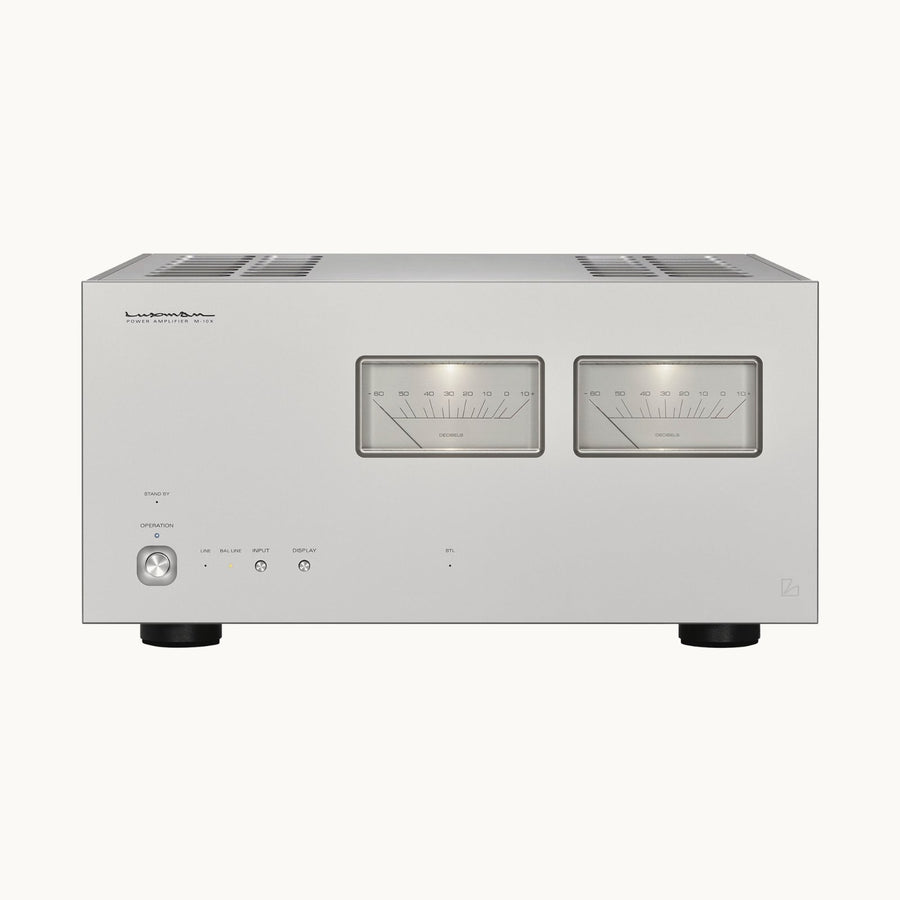
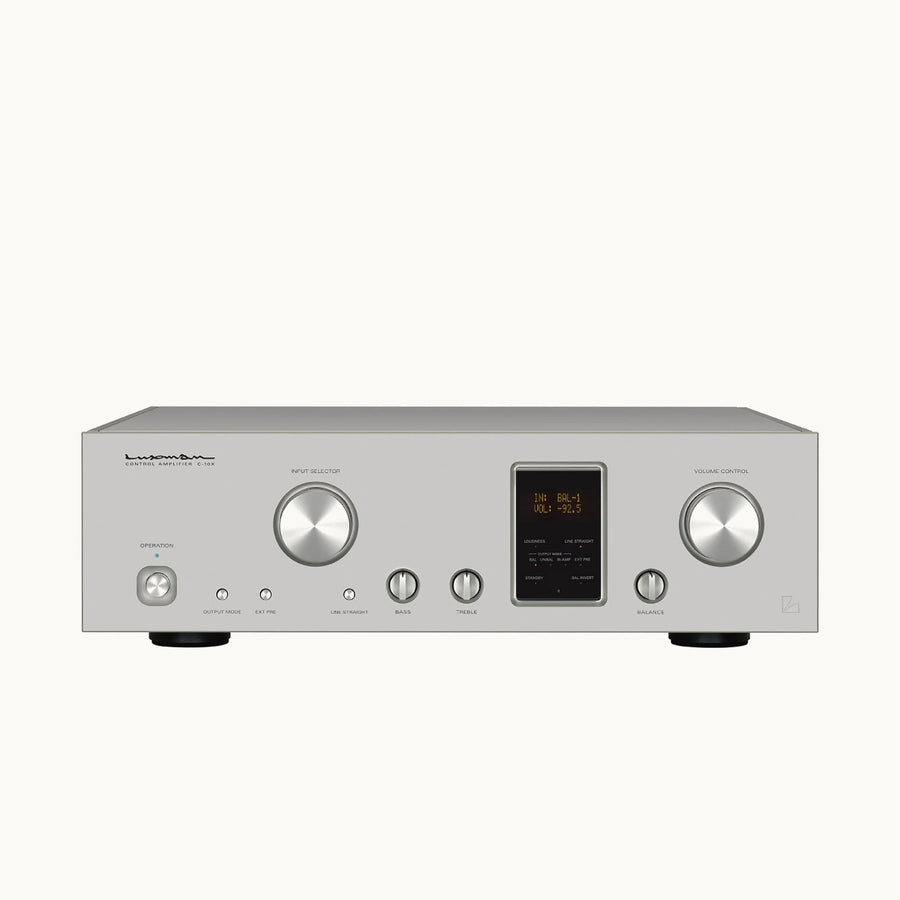
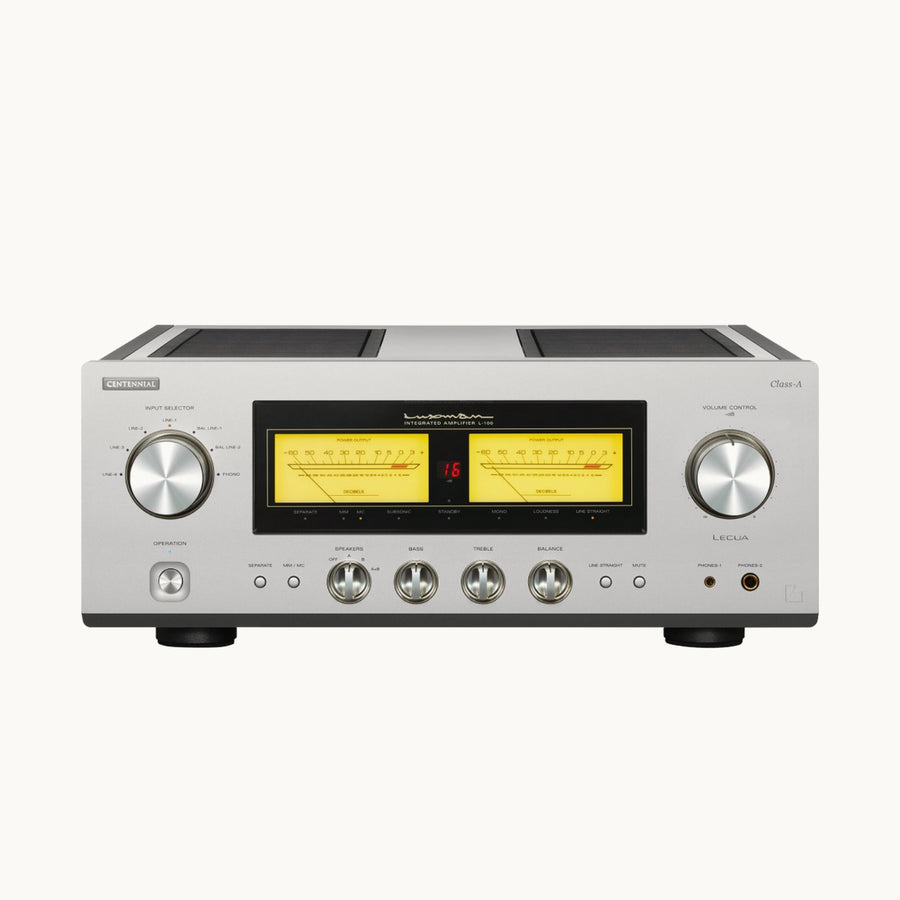
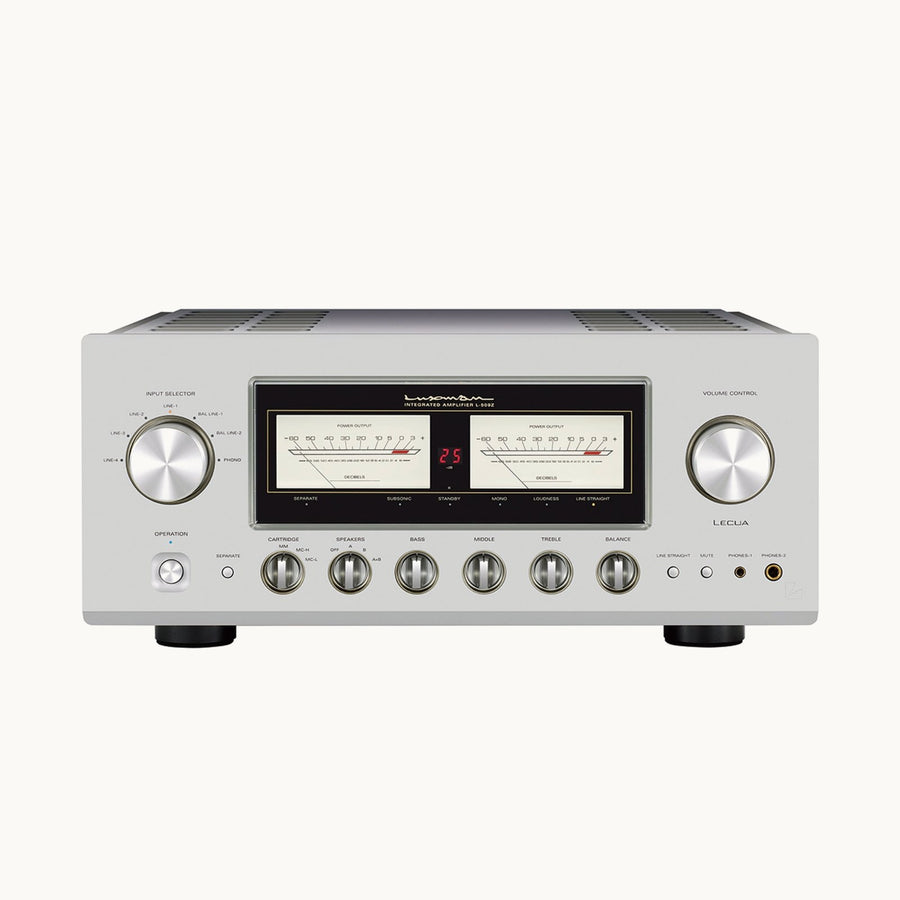
In place of a mechanical potentiometer in the signal path, LECUA is a bank of fixed resistors switched electronically in 88 steps and merged with the amplifier circuit, so the volume control cannot wear, is immune to vibration and presents the same circuit to the signal at every level. The idea goes back to the C-10 preamplifier of 1996, whose Ultimate Attenuator used fixed-resistor switching; LECUA1000 replaced the switching with electronic control and was introduced in the C-1000f control amplifier of 2006 for Luxman's 80th anniversary. New LECUA1000, with 88 steps, arrived in the C-900u of 2013. LECUA-EX, introduced with the L-509Z in 2022 and the C-10X in 2023, adds a precise rotary encoder with a weighted rotation mechanism, so the knob turns like a conventional control while the encoder is, on the C-10X, entirely disconnected from the audio signal path; the C-10X offers 192 steps of 0.5 dB over 0 to 95.5 dB, the L-509Z 88 steps over 0 to 87 dB. The L-100, L-507Z and L-505Z use LECUA1000. A transformer version, LECUTA, is used in the CL-1000 tube preamplifier, and the LX-380 was the first tube amplifier with LECUA.
Why it matters in a system
The volume control sits in the signal path of everything you play, and a potentiometer's wiper is the one contact in an amplifier that moves. A resistor ladder switched electronically has no wiper to wear, no track to pick up vibration, and no change of frequency response or channel balance between quiet and loud listening, which is why Luxman has kept the design for twenty years and extended it through four generations.
What you may hear
Luxman's claim for LECUA-EX, as StereoNET reported it, is smoother and more precise volume control than ever before. What Hi-Fi? summed up the L-509Z's presentation as precision, clarity and balance; Ken Micallef in Stereophile heard clarity, balance, coherence, seamlessness, quietude, and a certain invisibility.