What it does
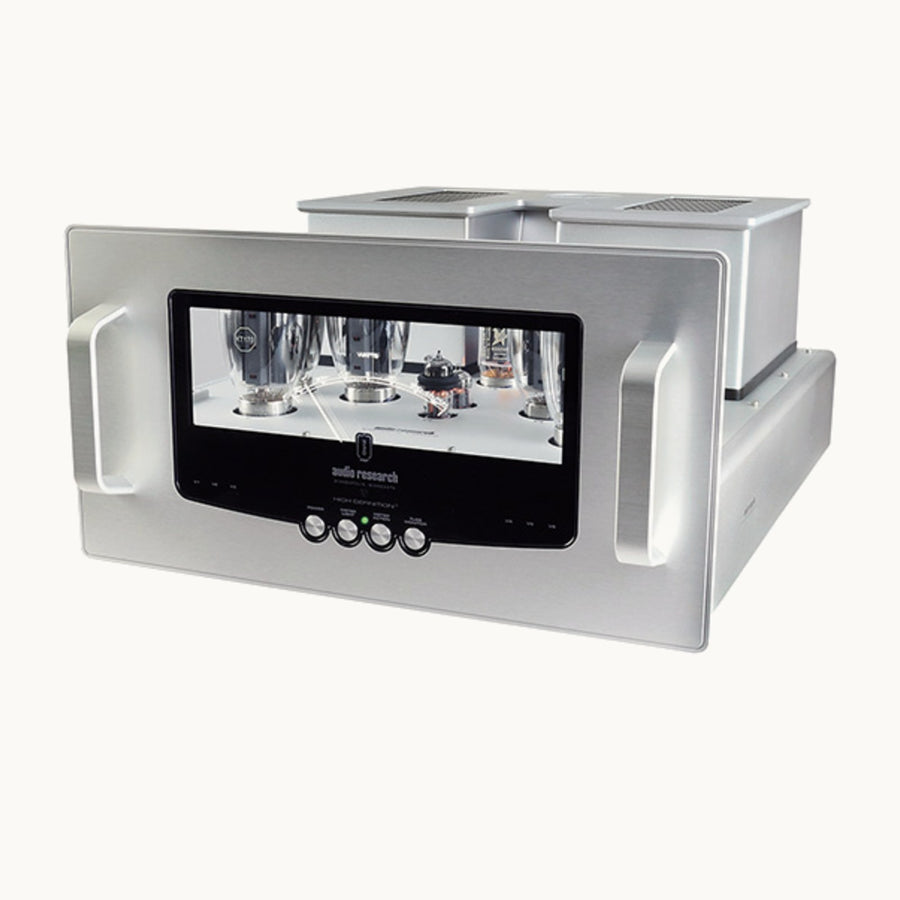
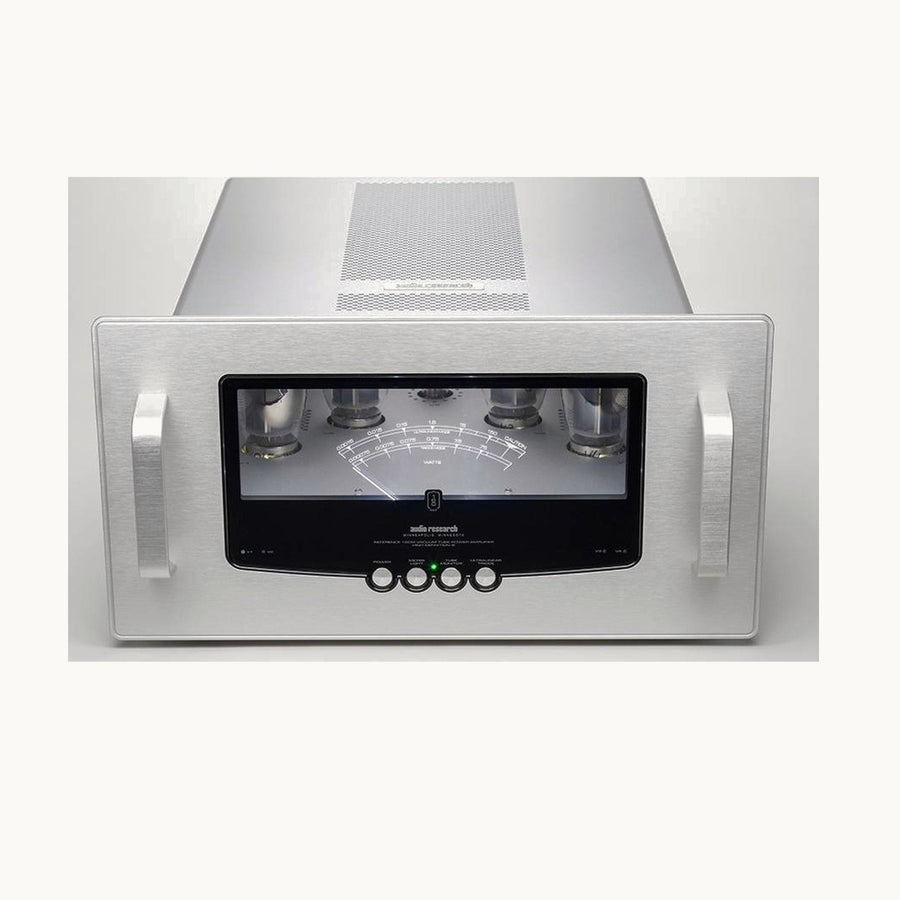
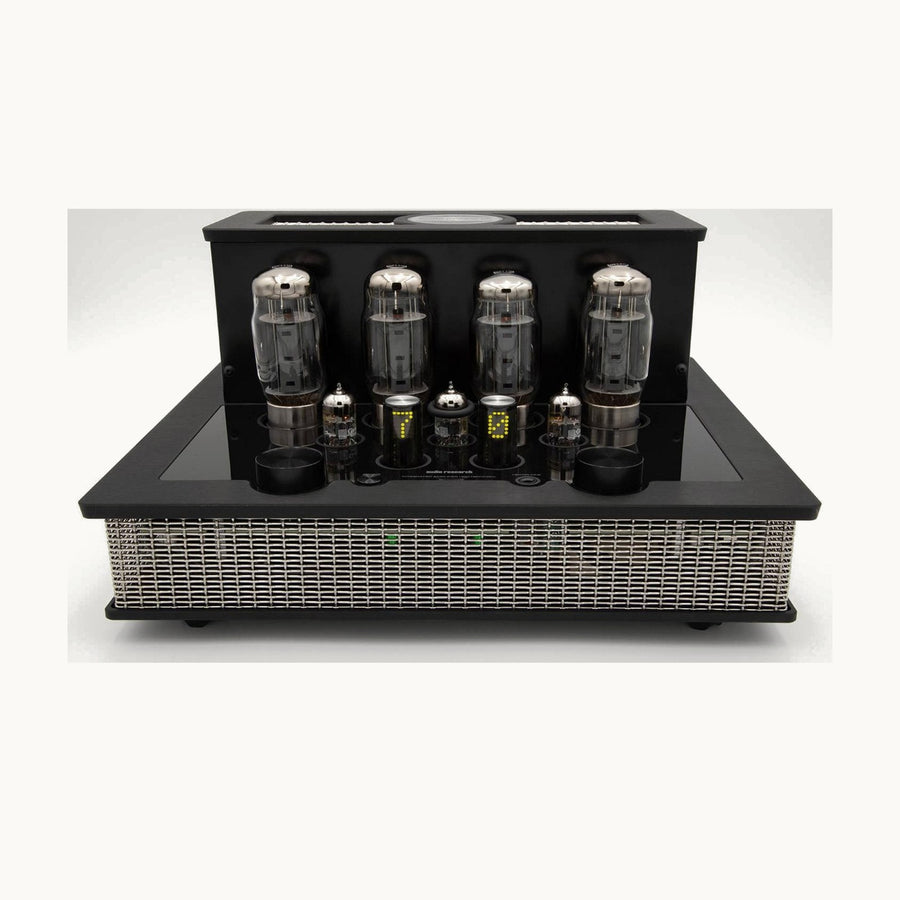
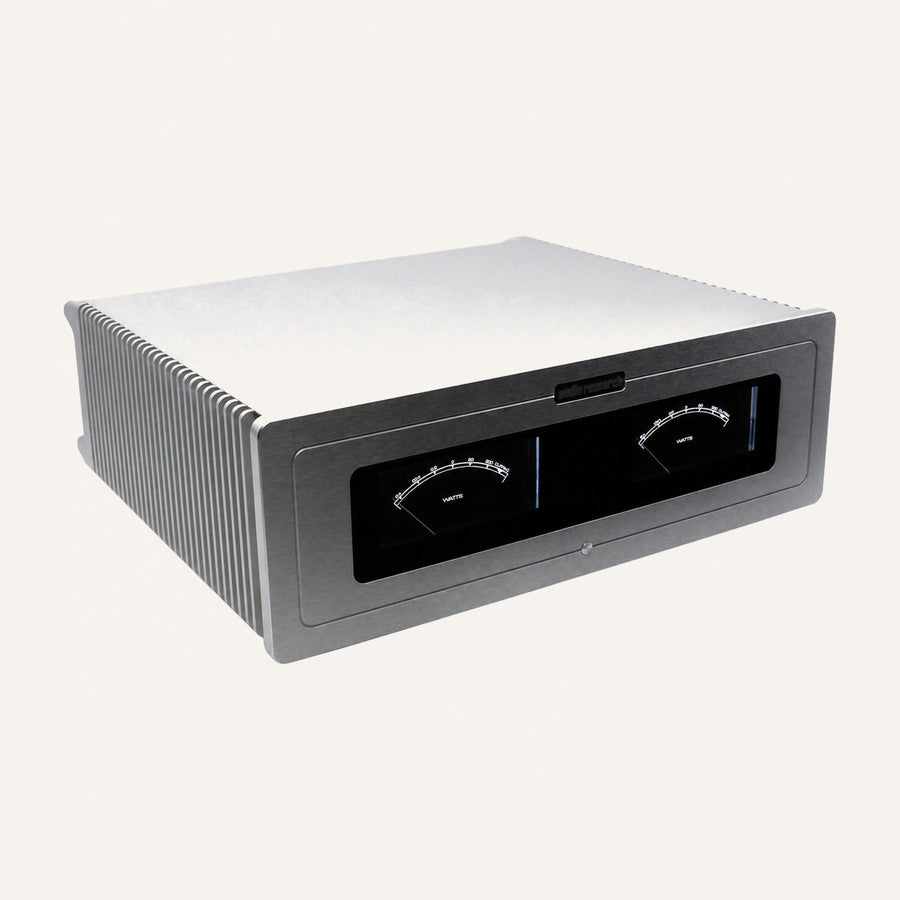
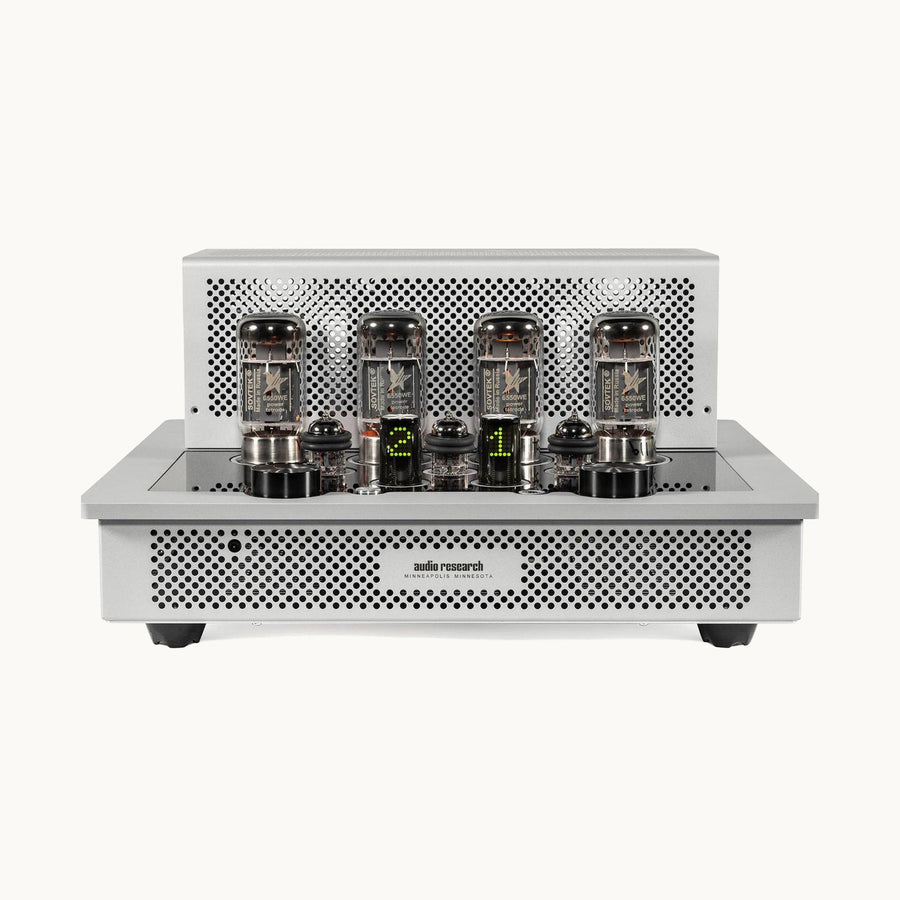
William Z. Johnson built his first commercial amplifier in 1949, tried the first transistors and found them terrible, and founded Audio Research in 1970 at a moment when the industry had decided tubes were finished; an engineer at his first trade show told him he had set audio back twenty years. His position was never dogmatic, and the company has built solid-state and hybrid products from 1976 on, but its Reference line has stayed with glass. Johnson used common, long-lived tube types, the 6550, 6L6 and 12AX7, rather than exotic ones, and that practice continues: the KT120 replaced the 6550 for more resolution and dynamics, the KT150 arrived in the GS150 and the Reference SE amplifiers of 2014 with about 3,000 hours of life, half again as long, and the Reference 330M of 2024 uses six KT170s per channel, with more plate-voltage margin and dissipation, to make 330 watts. Every current amplifier carries a tube-hour meter and individually fused output tubes.
Why it matters in a system
A tube amplifier's behavior at the edge of clipping, and the way it interacts with a loudspeaker's impedance, are what owners describe as its ease and dimensionality; Audio Research's engineering is aimed at keeping those qualities while removing the softness and noise that tubes were once excused for. Johnson's other rule was that if it measures badly it will not sound good.
What you may hear
Hi-Fi News, measuring over 400 watts from the Reference 330M: valve amps slow, lush and lazy? There goes another myth. Enjoy the Music on the I/70: it paints musical reality more accurately than anything its reviewer owned.