What it does
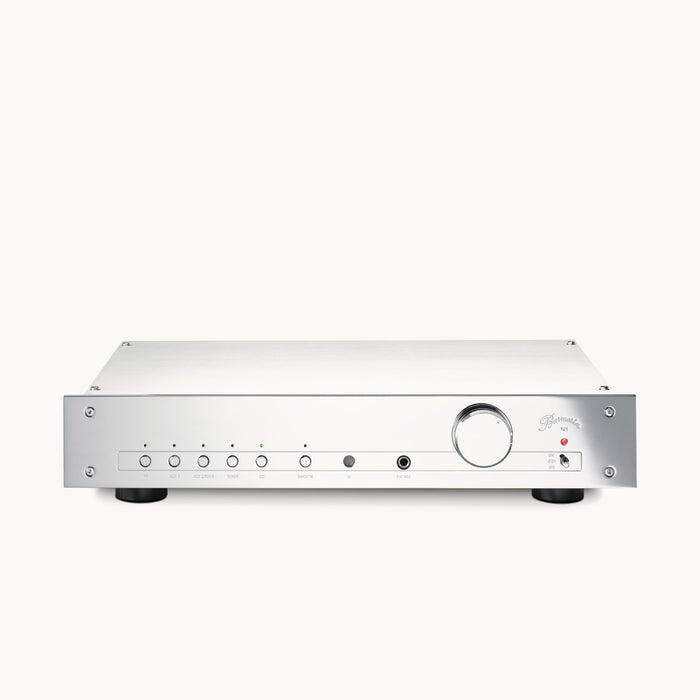
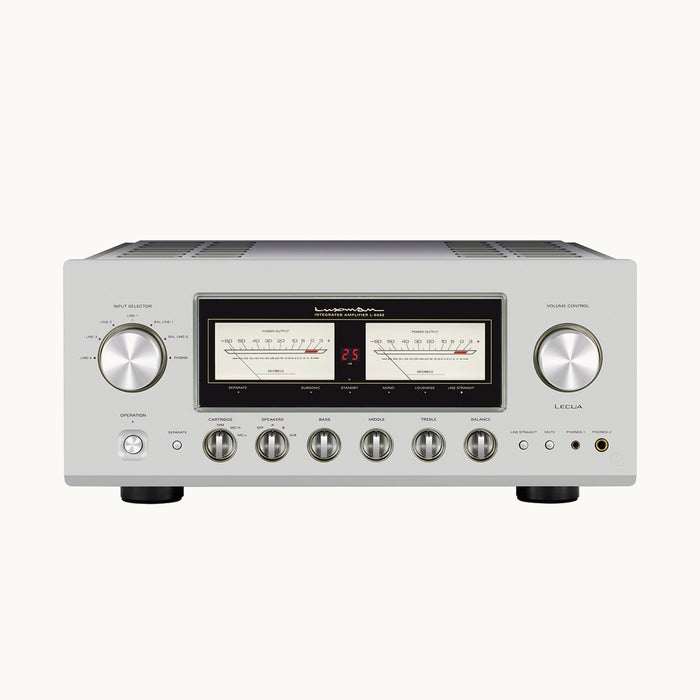
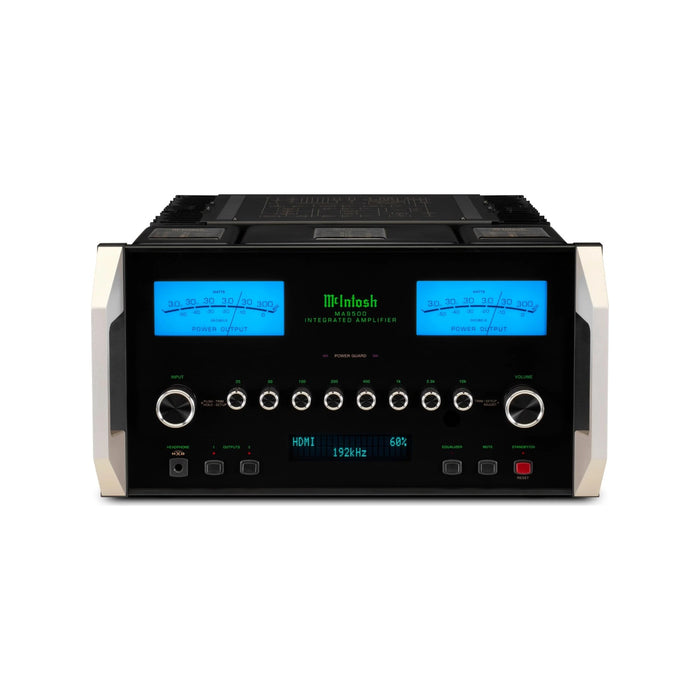
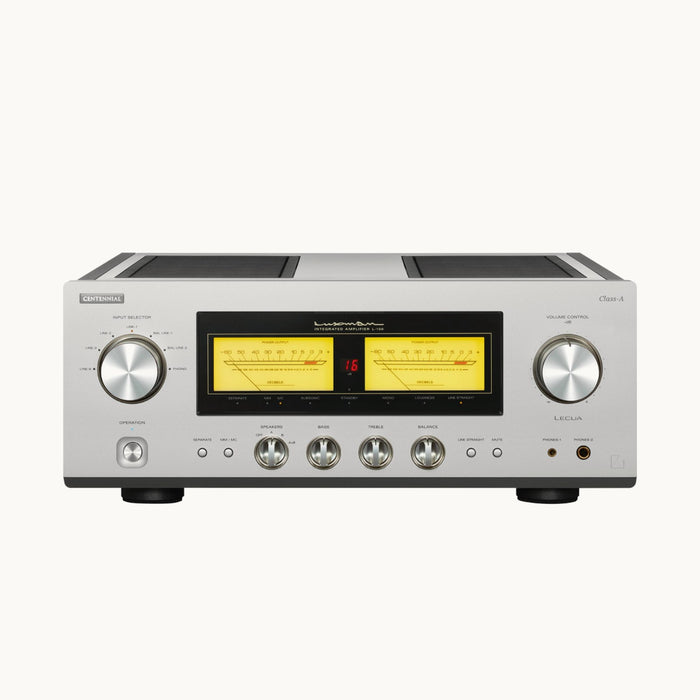
An integrated amplifier combines two jobs that are otherwise done by separate boxes. The preamplifier half selects a source, controls the volume and shapes the signal; the power amplifier half takes that small signal and makes it large enough to move loudspeaker drivers. Putting both in one chassis saves a shelf, a pair of interconnects and a power cord, and it lets the designer match the two halves to each other rather than to an unknown partner.
A good integrated amplifier is not a compromise. The best of them are built to the same standard as the separates from the same house, and in a normal living room they are what we would recommend first.
The options
With or without phono
Many integrated amplifiers include a phono stage for a turntable. Some handle moving magnet cartridges only; others add moving coil gain. A built-in stage is convenient and often very good, but a separate phono preamplifier can be upgraded on its own later, which matters if records are the center of your listening.
With or without a DAC
A built-in digital-to-analog converter lets you plug in a streamer, a CD transport or a television directly. If you already own a DAC you like, or you expect to upgrade digital more often than amplification, an analog-only integrated keeps the two decisions apart.
Tube or solid-state
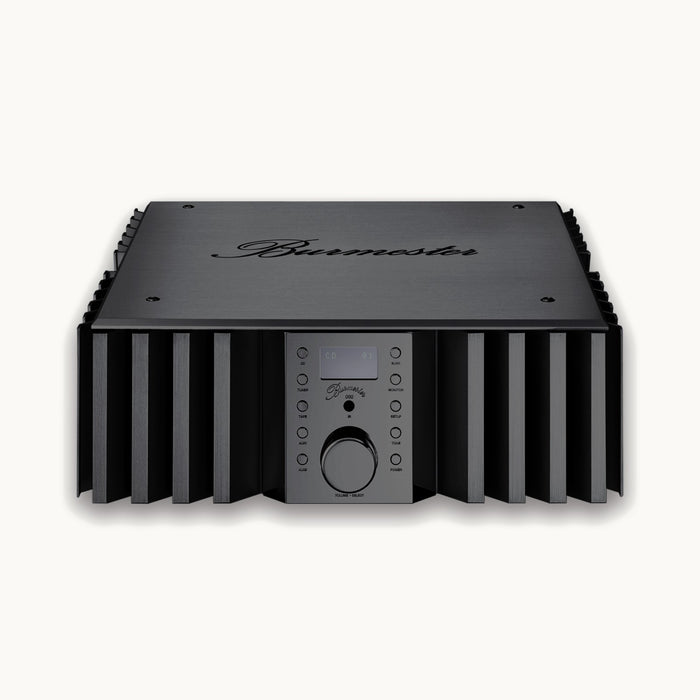
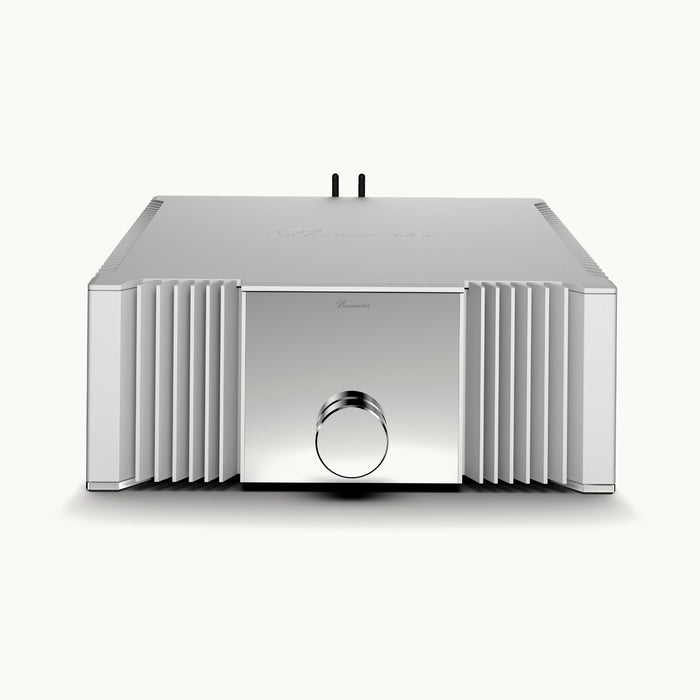
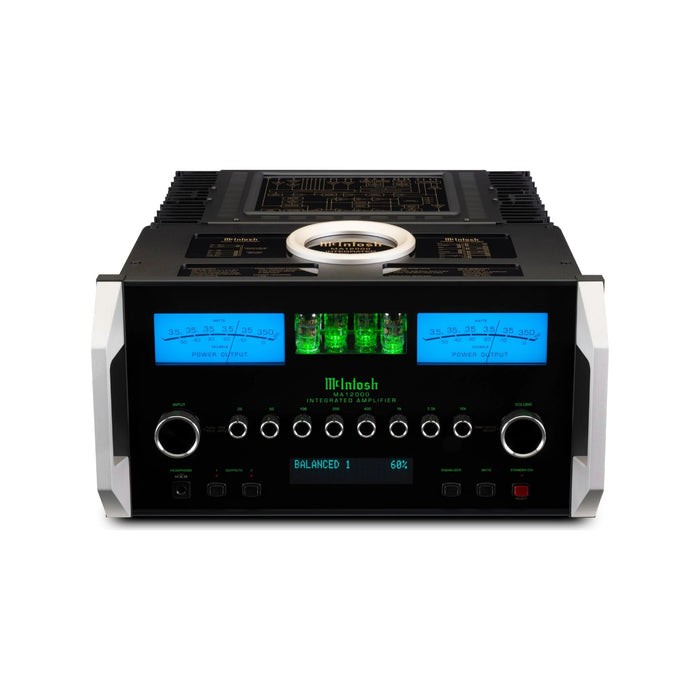
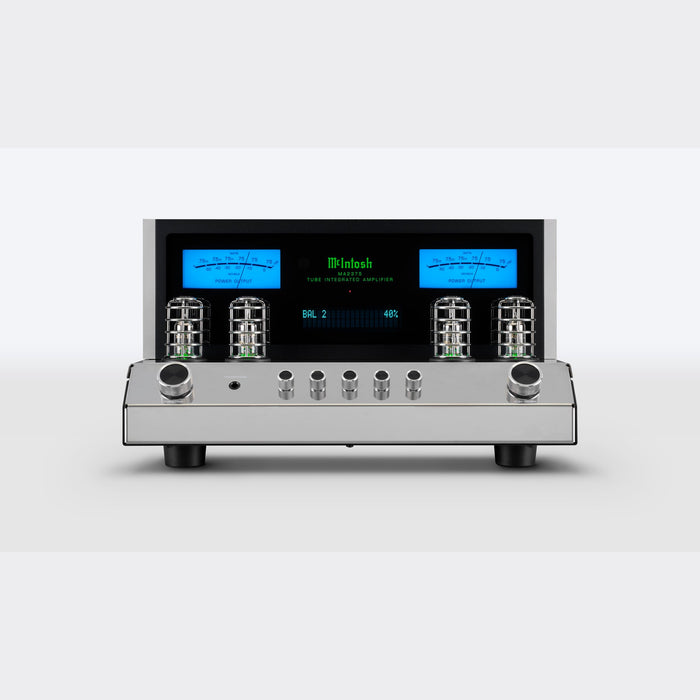
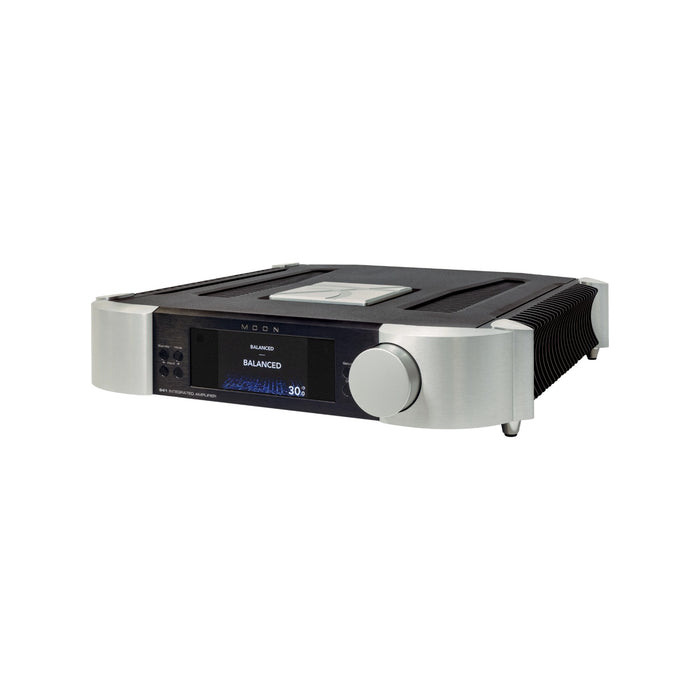
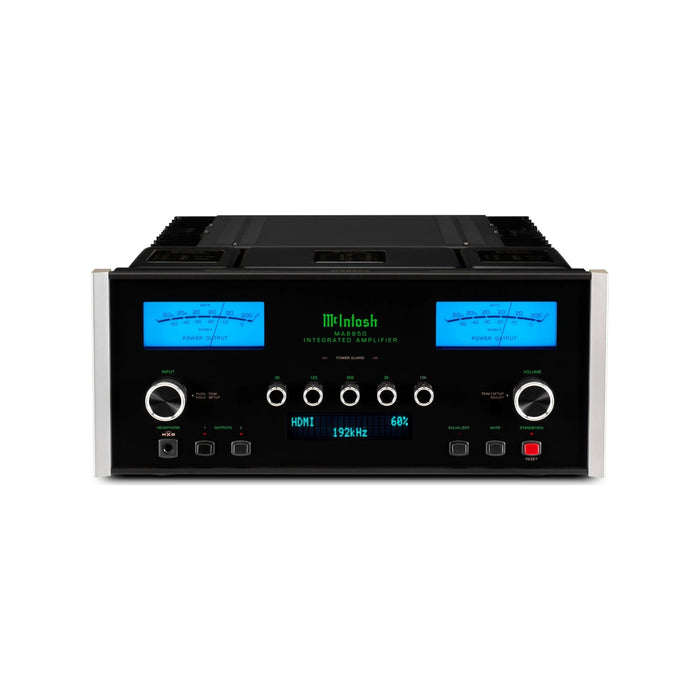
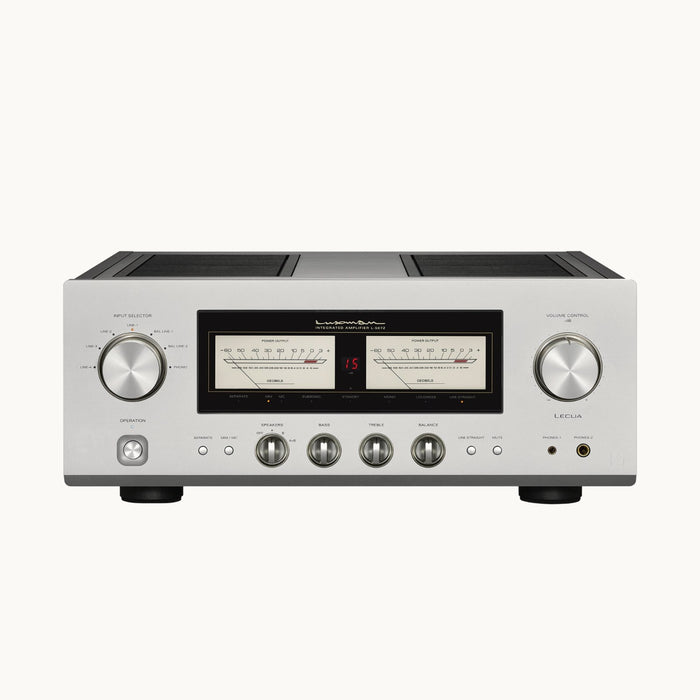
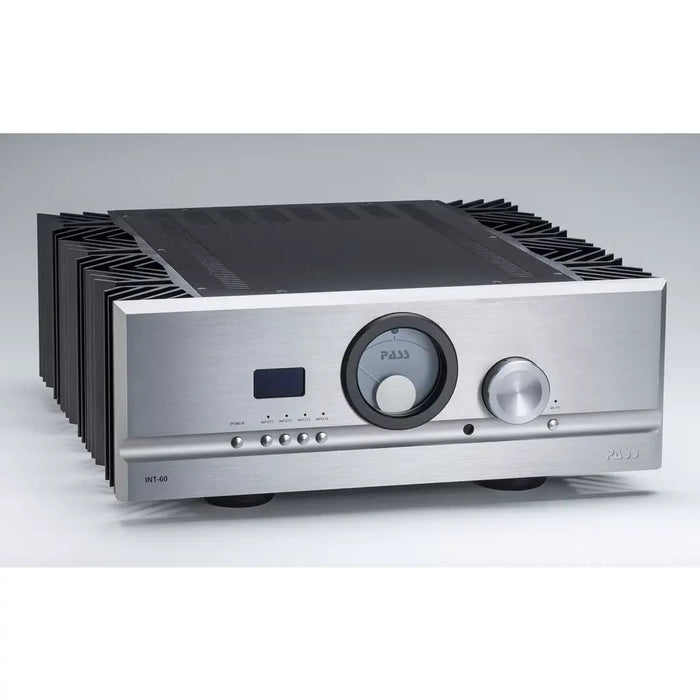
Tube integrateds, such as the McIntosh MA252 and MA352, bring a sense of ease and dimension that many listeners find hard to give up. Solid-state designs from Luxman, Accuphase, MOON, T+A, Pass Labs and Burmester offer more power, lower maintenance and, in the right pairing, no less musicality. Neither is better in the abstract; the loudspeaker and the room decide.
Power ratings and room size
Watts are only part of the story. A 100-watt amplifier that doubles its output into a difficult load will drive more loudspeakers well than a 200-watt amplifier that cannot. Larger rooms, lower-sensitivity loudspeakers and listeners who like orchestral scale all call for more reserve. A modest room with efficient loudspeakers can be served superbly by 30 class-A watts.
How we think about it at Pearl
We start with the loudspeaker, then the room, then the sources you actually use. Only then do we talk about the amplifier. We carry integrated amplifiers from McIntosh, Luxman, MOON, Accuphase, T+A, Pass Labs and Burmester, which gives us a tube and a solid-state answer at nearly every level, and the comparison can be made by ear in our listening rooms rather than by specification sheet.
We also think about what comes next. If you are likely to add a turntable or a streamer in a year or two, we will steer you toward an integrated that leaves the door open.
Where to start
Bring the model name of your loudspeakers, or of the ones you are considering, and a rough idea of the room. Tell us whether records, streaming or discs will carry most of your listening. From there we can usually narrow the field to two or three integrated amplifiers and set them up side by side for you to hear.