The Technics story
Founded 1965 in Osaka, Japan; built today in Utsunomiya, Japan, and in Malaysia by Matsushita Electric, now Panasonic · technics.com
Technics began in 1965 as the name Matsushita Electric, the company now called Panasonic, gave to its finest loudspeaker, the Technics 1. The name comes from the word technology, and for sixty years it has stood for the part of the company where engineers are asked to build for music first. Amplifiers, tape decks, loudspeakers and early CD players followed, but one invention made the name known wherever records are played.
In 1970 Technics introduced the SP-10, the first direct-drive turntable. In place of a belt or an idler wheel, the platter sat directly on a slow-turning motor, which gave steady speed, quick starts and very little to wear out. Broadcasters around the world adopted it, the BBC among them. The SP-10MK2 of 1975 added quartz-locked speed control and became a studio standard, and a pair of them turn the cutting lathes at Bernie Grundman Mastering, where many of today's audiophile LPs are cut. The SL-1100 of 1971 brought direct drive to the home, and the SL-1200 followed in 1972.


What happened next was not in anyone's plan. In the Bronx in August 1973, DJ Kool Herc used a pair of Technics direct-drive turntables at a party for his sister, isolating the drum breaks on his records to keep the dance floor moving. Technics itself calls that the beginning of hip-hop. The turntables suited the job because they were strong, came up to speed at once and held it, and DJs such as Afrika Bambaataa and Grandmaster Flash carried the idea into the mainstream.

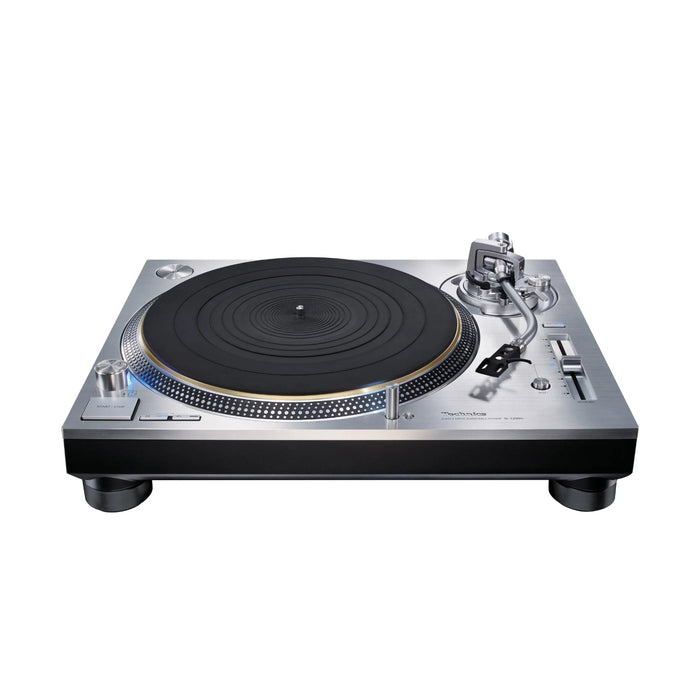
Technics listened. The SL-1200MK2 of 1979 was the first turntable developed specifically for DJs, with a sliding pitch control and the other features they had asked for. Through the 1980s demand grew enormously and the SL-1200 became the standard in clubs around the world; a DJ with two of them and a mixer could fill the rooms where bands used to play. In the 1990s scratching and turntablism made it a musical instrument in its own right. By Technics' own count, 3.5 million SL-1200s were sold in the first 35 years, and no other turntable has been so widely used.
Technics never stopped building turntables for listening at home. Through the 1970s and 1980s a direct-drive Technics was the first serious record player in a great many American households, and the record-jacket-sized SL-10 of 1979 entered the collection of the Museum of Modern Art. The qualities DJs prized are the ones a listener benefits from too: accurate speed, quiet running, easy setup, and a machine built to work for decades.
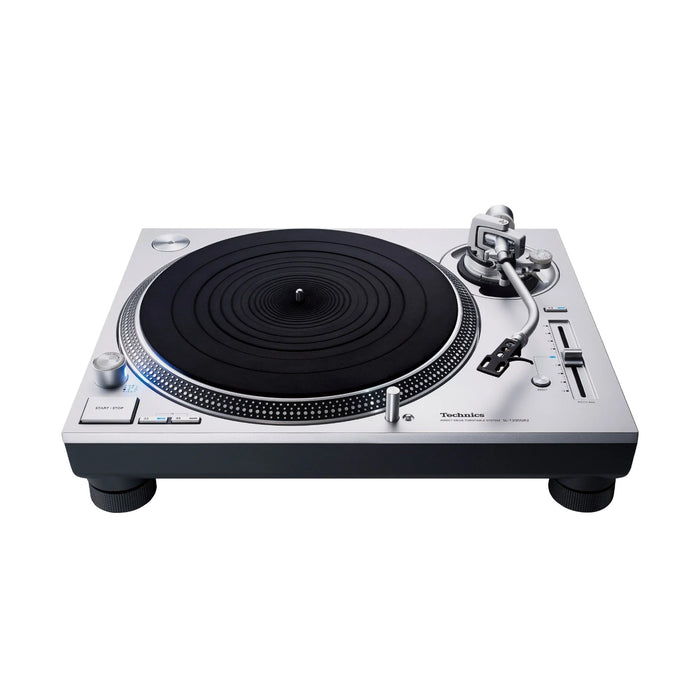
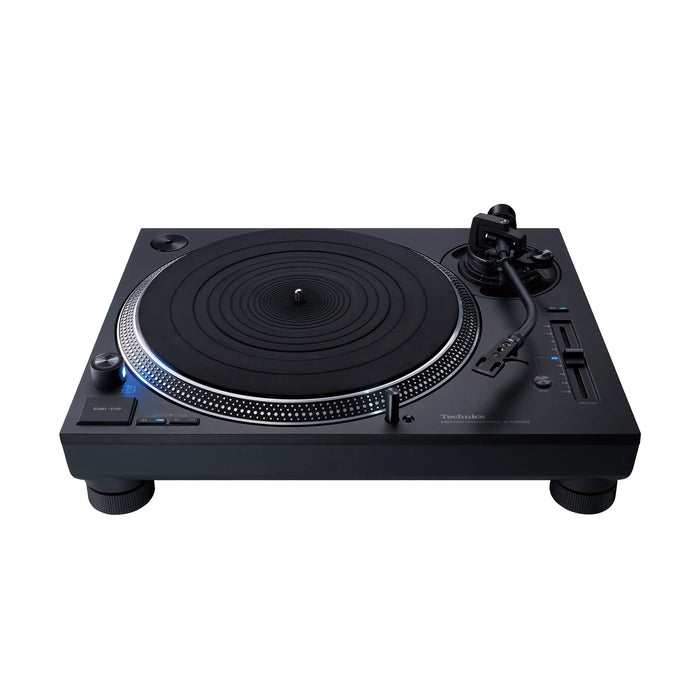
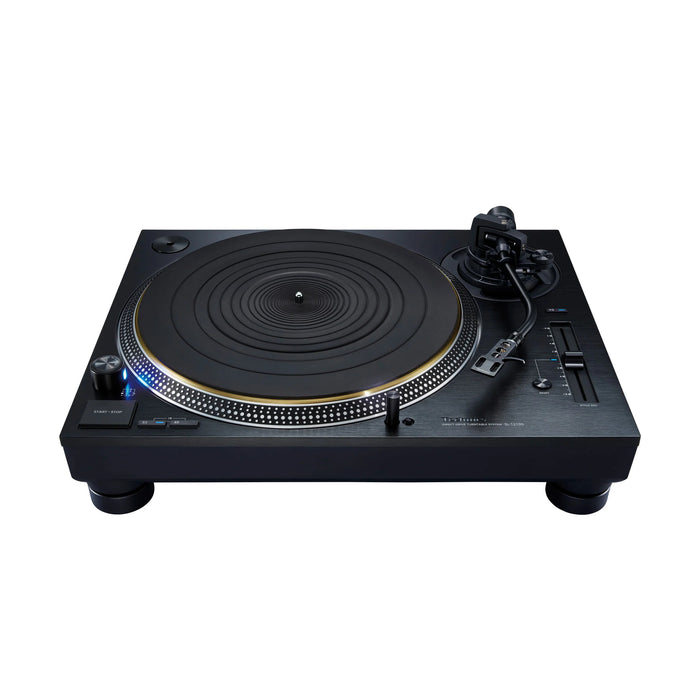
In October 2010 the SL-1200 went out of production; after nearly four decades the tooling had worn out, and the Technics name itself was retired. It returned in 2014, led by Michiko Ogawa, an engineer who is also a pianist, and in 2016 came a new SL-1200. It looks like the old one, but every part was newly tooled, and at its center is a new motor with no iron core. That removes the faint unevenness in rotation, known as cogging, for which direct drive had long been criticized. This time the turntable was designed for listening at home.

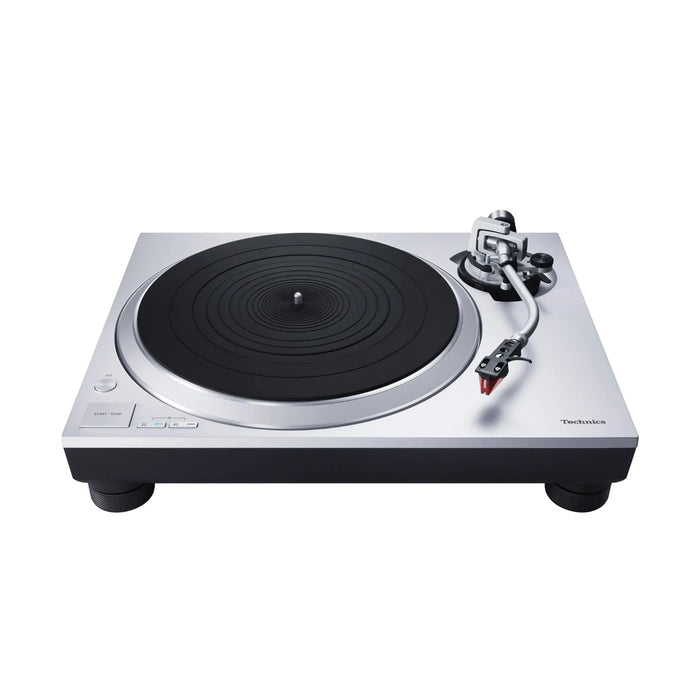
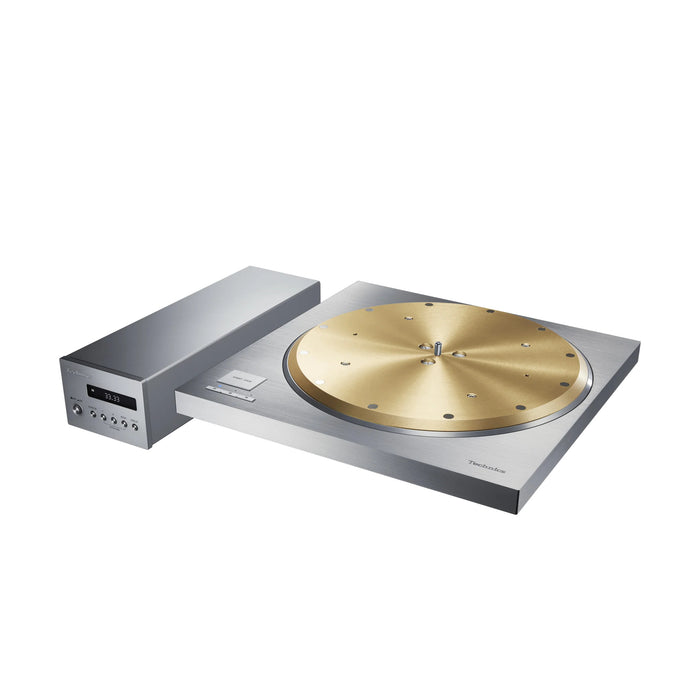
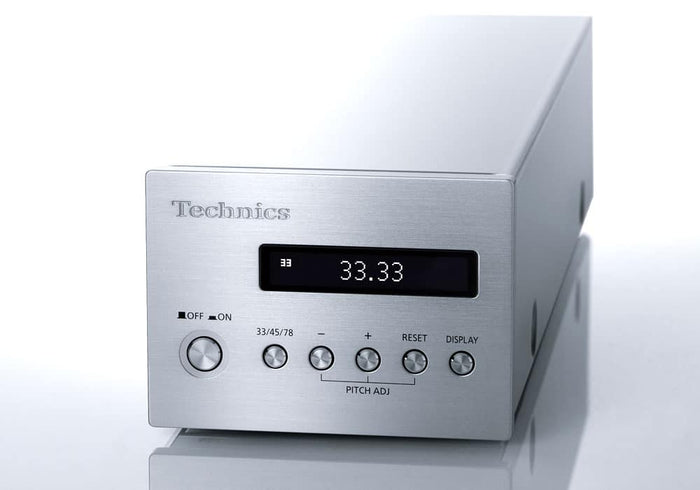
The line of the SP-10 returned in 2018 with the SP-10R and the complete SL-1000R, the first new SP-10 in almost forty years. The SL-1500C followed for listeners who want a simple, complete record player with a phono stage built in. The SL-1200GR2 of 2023 added a new digital method of driving the motor, taken from Technics' reference amplifier, for smoother rotation still.
Technics turntables are heavy on purpose, because mass and damping keep vibration away from the stylus. The SL-1500C weighs about 22 pounds and the SL-1200GR2 about 25. The SL-1200G weighs nearly 40, and its platter of brass, aluminum and rubber accounts for almost 8 of them. The SL-1000R weighs 88.7 pounds before its separate control unit is counted, and its platter, brass on aluminum with tungsten weights set into the rim, weighs about 17.5. The platters of the SL-1200G and SL-1000R are balanced one at a time at the factory.

The SL-1200G and SL-1000R are built in Utsunomiya, about 80 miles north of Tokyo, in a small corner of a large Panasonic plant. A magazine that visited found a team of eleven people building them by hand. Each turntable is assembled from start to finish by one person, who has passed a course and tests of dexterity and accuracy before being allowed to do so; an SL-1000R has about 150 parts and takes around an hour and a half. Every unit is then measured for speed stability, listened to with records, and inspected under bright light before it is packed. The more affordable models, the SL-1200GR2 among them, are built at Panasonic's plant in Malaysia.
Reviewers use much the same words for the current Technics turntables whatever the model: drive, timing and rhythmic authority; deep, solid bass; quiet backgrounds and stable images; and a clear, neutral view of the record. Of the SL-1000R they add a rich, generous midrange and a smooth sound free of grain.
Milestones
Technics at Pearl Audio
At Pearl Audio we carry Technics for its turntables. The SL-1200 in its current versions and the SL-1500C are staples in the store, and we have carried and built the SL-1000R. We like them as a classic turntable that looks right beside heavily built systems, such as McIntosh amplifiers with Bowers & Wilkins loudspeakers.
On demonstration in Portland now
Technics at Pearl Audio